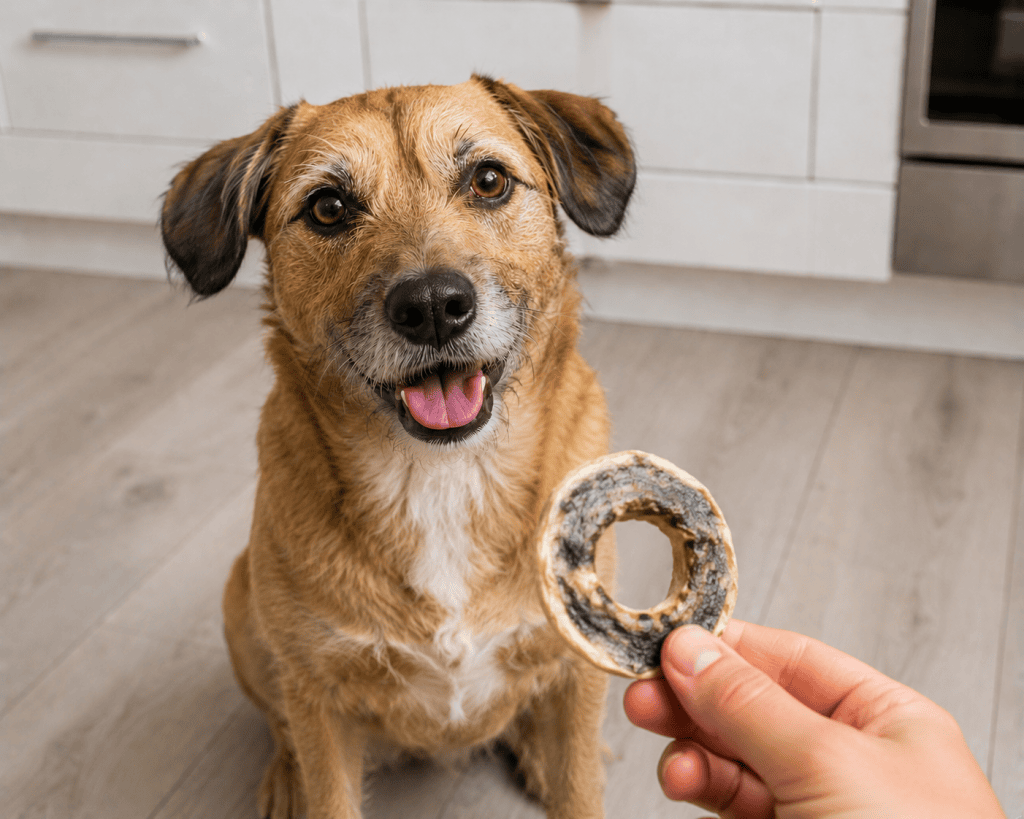
It depends entirely on which treats you choose, how much you give, and how well you understand what’s actually in the bag. PetMD, reviewed by Dr. Brittany Kleszynski DVM, is straightforward on this: treats can be healthy for dogs if given in moderation. They can help strengthen the bond between animals and humans and allow pet parents to show affection. But the same source is clear that many commercial treats on the market are filled with artificial additives, low-quality fillers, and unhealthy preservatives that do more harm than good.
Table of Contents
The honest answer is that dog treats exist on a spectrum — from genuinely nutritious, single-ingredient natural treats that add real value to your dog’s diet, all the way to highly processed, chemical-laden products that serve no purpose beyond palatability. Knowing where any given treat sits on that spectrum is not difficult once you know what to look for. This article covers exactly that.
The 10% Rule — The Starting Point for Any Discussion About Treats
Before addressing whether dog treats are healthy, it’s worth establishing the framework within which all treats should be used. Union Lake Veterinary Hospital, a veterinary practice, is clear: even the healthiest treat should only make up 10% or less of your dog’s daily calorie intake. The rest should come from a complete, balanced diet.
This matters because it sets the context. Treats are not a meal. They are a supplement — a reward, a training tool, a bonding mechanism, an enrichment item. Even a highly nutritious treat becomes a problem if it constitutes 40% of daily calories and displaces the balanced nutrition a complete dog food provides. PetMD reinforces this: on training days, if you have given 200 calories of treats during the day, breakfast or dinner for your dog should be reduced by 200 calories to ensure daily caloric intake stays consistent.
Within that 10% framework, the question of whether treats are healthy becomes much more manageable — and the answer is yes, they absolutely can be.
What Makes a Dog Treat Genuinely Healthy?
PetMD’s guidance from Dr. Kleszynski is the clearest benchmark: pet parents should look for dog treats that are healthy and contain as few ingredients in them as possible. This means that treats won’t have unhealthy fillers that don’t add nutritional value.
The hallmarks of a genuinely healthy dog treat:
Short, Recognisable Ingredient Lists
The fewer the ingredients, the better. A treat made from one ingredient — dried chicken breast, dehydrated beef liver, a salmon skin strip — is immediately understandable and trustworthy. You know exactly what your dog is eating. By contrast, a treat with a long list of unpronounceable ingredients — preservatives, flavour enhancers, artificial colours, binding agents — is telling you something about the quality of the base ingredients. Good ingredients don’t need much help.
The principle is widely agreed upon across veterinary nutrition guidance: the first five ingredients on a label typically make up the bulk of the product. If those ingredients are high-quality, identifiable proteins and whole foods, the treat is likely to be nutritionally sound. If they are fillers and chemical compounds, it is not.
Named Protein Sources as the Primary Ingredient
Look for specific named proteins — chicken breast, beef liver, salmon, lamb — listed first on the ingredient panel. Vague terms like “meat by-products,” “animal meal,” or “protein concentrate” indicate lower quality sourcing where the exact origin of the protein cannot be verified. Union Lake Veterinary Hospital specifically advises against “meat meal” because without knowing where it originated, there is no way to determine its nutritional value or safety.
Natural Preservatives — Not Synthetic Ones
Some level of preservation is necessary in any treat that is not consumed immediately. The key is what type. Natural preservatives — mixed tocopherols (vitamin E), ascorbic acid (vitamin C), and rosemary extract — are appropriate and even beneficial. Synthetic chemical preservatives including BHA, BHT, and ethoxyquin are a different matter, covered in detail below.
Appropriate Macronutrient Profile
A healthy dog treat should reflect the macronutrient profile appropriate for dogs — high in protein, moderate in fat, low in carbohydrate. Treats that are primarily carbohydrate with minimal protein, or treats that are very high in fat without corresponding protein value, are not well-suited to canine biology.
Functional Nutritional Value
The best treats do more than simply taste good — they provide nutritional compounds that actively support dog health. Natural compounds in well-sourced treats include:
- Glucosamine and chondroitin — naturally present in connective tissue, cartilage, and bone-based treats. Support joint health and cartilage integrity
- Omega-3 fatty acids — naturally present in fish-based treats including salmon skins and dried sprats. Support skin and coat health, reduce inflammation, and support joint and cardiovascular function
- Antioxidants — present in fruit and vegetable-based treats, and in organ meats. Support immune function and reduce oxidative stress
- Collagen — naturally present in skin-based treats including beef gullet and fish skins. Supports joint health, skin integrity, and digestive health
- Amino acids — all high-quality protein treats provide complete amino acid profiles that support muscle health and systemic function
The “Natural” Label — Why It Doesn’t Mean What You Think
This is one of the most important things any dog owner can understand about the treats market.
The word “natural” on a pet treat label is not the guarantee of quality it implies. The Association of American Feed Control Officials (AAFCO) — the body that governs pet food labelling standards in the US — defines “natural” in a way that is significantly looser than most consumers expect. AAFCO states that a feed or feed ingredient can contain trace amounts of chemically synthetic compounds and still be considered natural. Their guideline also notes that products “not containing any additives or processing aids that are chemically synthetic except in amounts as might occur in good manufacturing practices” can be labelled natural — an exception large enough to include many synthetic substances.
In practice, this means that the word “natural” on a dog treat package tells you very little. A product can be technically “natural” under AAFCO guidelines and still contain artificial ingredients. The “natural” label is marketing language backed by a standard with significant loopholes — not a reliable indicator of genuine quality.
What does this mean for you? Read the ingredient label, not the front of the pack. Ignore images of pastoral landscapes, pictures of fresh meat, and health claims in large fonts. The truth is in the ingredient list — and specifically in the first five ingredients, where the bulk of the product’s composition lies.
Ingredients to Look For
In Healthy Natural Treats:
- Whole, named protein source as the first ingredient (chicken, beef, salmon, lamb, duck, turkey)
- Organ meats named specifically (beef liver, chicken heart, lamb kidney)
- Whole vegetables or fruit (sweet potato, pumpkin, blueberries, carrots)
- Natural preservatives (mixed tocopherols/vitamin E, ascorbic acid/vitamin C)
- Fish oils (omega-3 source)
- Single ingredient options — the gold standard


Processing Methods That Signal Quality:
- Air-dried — gentle drying process that preserves nutritional integrity without high heat
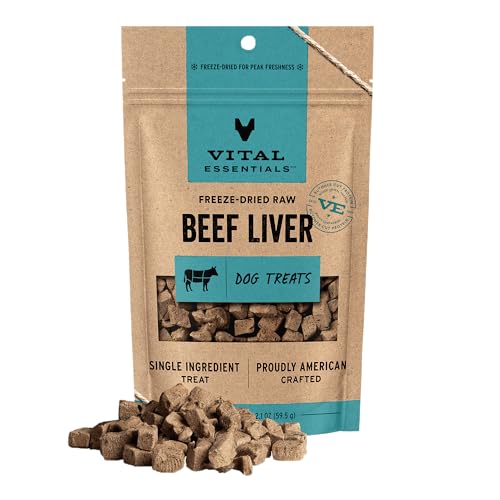
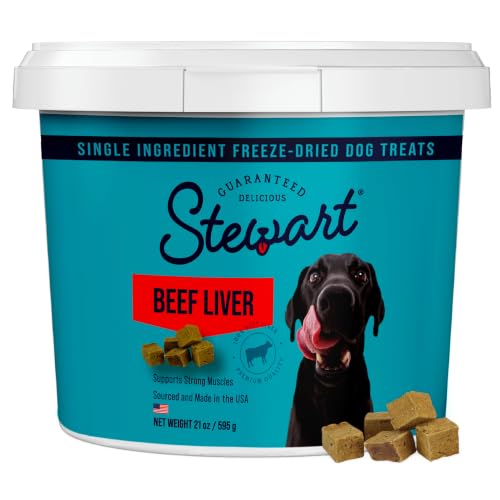
- Freeze-dried — the gold standard for nutrient preservation; removes moisture while retaining virtually the entire fresh food nutritional profile
- Dehydrated — slow, low-temperature dehydration preserves most nutritional value
- Raw — unprocessed, maximally nutritious, but requires appropriate handling
Ingredients to Avoid
This is where reading labels becomes essential. Union Lake Veterinary Hospital provides a frank list of concerning ingredients that appear in commercial dog treats:
Artificial Preservatives — BHA, BHT, and Ethoxyquin
BHA (Butylated Hydroxyanisole) and BHT (Butylated Hydroxytoluene) are synthetic antioxidant preservatives used to extend shelf life. Both have been classified as possible carcinogens in animal studies, and long-term exposure has been linked to liver and kidney damage. Union Lake Veterinary Hospital notes that many preservatives used in dog treats are known carcinogens, cause liver or kidney failure, or lead to other serious health problems.
Ethoxyquin was initially developed as a pesticide and is banned in human food in several countries due to its potential toxicity — yet it remains permitted in pet food in many markets. Any treat listing BHA, BHT, or ethoxyquin should be avoided.
Safe alternatives: Look for treats preserved with mixed tocopherols (vitamin E) or ascorbic acid (vitamin C) — effective natural preservatives that are safe and beneficial rather than concerning.
Xylitol — Never Acceptable
The FDA is unambiguous: xylitol is extremely toxic to dogs. Even tiny amounts cause life-threatening hypoglycaemia and liver failure. Xylitol can appear in treats under various names including birch sugar, wood sugar, and E967. Any treat containing xylitol must never be given to dogs — this is non-negotiable.
Artificial Colours — Red 40, Yellow 5, Yellow 6, Red 3
Artificial dyes are added purely for visual appeal — they serve no nutritional purpose. Your dog cannot perceive colour the way humans do and has no interest in whether their treat is red, yellow, or brown. A well-sourced treat is naturally coloured by its ingredients — the orange of sweet potato, the brown of meat, the green of vegetables. Artificial dyes have been linked to hypersensitivity reactions and are classified as potentially carcinogenic in animal studies. There is no legitimate reason for any dog treat to contain them.
Corn Syrup and Added Sugars
Corn syrup adds sweetness and palatability while providing zero nutritional value. High sugar intake in dogs contributes to obesity, dental decay, blood sugar instability, and increased diabetes risk. Any treat that relies on sugar to make itself appealing is masking the inadequacy of its other ingredients. Avoid.
Propylene Glycol
Used as a moisture-retaining agent in soft and chewy treats. While banned in cat food, it remains permitted in dog food in many regions despite documented concerns about red blood cell damage at higher concentrations. Not worth the risk when alternatives exist.
Unspecified Fillers — Corn, Wheat, Soy
Corn, wheat, and soy are among the most common allergens in dogs. They are cheap fillers that add bulk without meaningful nutritional value. A treat that lists corn or wheat as the first ingredient is primarily providing empty carbohydrates. Some dogs tolerate these without issue — many do not.
Meat By-Products and Non-Specific Protein Sources
“Meat by-products,” “animal meal,” and similar vague terms obscure the quality and origin of protein sources. Union Lake Veterinary Hospital notes that a generic meat meal can be any meat that is not used for human consumption — a definition that encompasses a very wide range of sources, some of which are not appropriate. Named protein sources from named species are always preferable.
The Natural Treat Advantage
This is where natural treats — the entire focus of this site — genuinely stand apart from the mass commercial treat market.
A single-ingredient air-dried chicken breast strip, a freeze-dried beef liver treat, a dehydrated salmon skin, a natural bully stick — none of these require BHA, artificial colours, corn syrup, propylene glycol, or any of the additives that make the above ingredient list necessary. They are what they say they are. The ingredient list reads like food because it is food — just prepared in a way that makes it shelf-stable and convenient as a treat.
This is the practical argument for natural treats: they sidestep the entire ingredient concern list. When the only ingredient is the thing itself — chicken, beef, salmon, lamb — there is nothing to worry about in that list. The nutritional value is genuinely there because no cheap filler has displaced it.
Beyond ingredients, natural treats often deliver functional nutritional benefits that processed treats cannot:
- Salmon skin strips — more omega-3 than the flesh of the fish, documented by PetMD. Anti-inflammatory, coat-supporting, cardiovascular.
- Beef liver — exceptional B12, iron, and CoQ10. One of nature’s most complete nutritional packages.
- Beef gullet — naturally rich in glucosamine and chondroitin. Joint support in treat form.
- Bully sticks — fully digestible, high protein, long-lasting. Zero meaningful additives.
- Dried fish skins — omega-3s, protein, dental benefit from chewing. Single ingredient.
See our Chews & Bones section and Adult Dog Treats section for our independently reviewed recommendations across all these categories.
Treats by Life Stage
PetMD’s guidance from Dr. Kleszynski provides useful life-stage framing:
Puppies — natural treats that don’t contain preservatives or artificial colours are appropriate. Omega-3-rich fish-based treats support normal development. Small, soft pieces are preferable given developing teeth. As dogs age they benefit from treats that support joints and dental health.
Adult dogs — primarily receive treats as rewards for good behaviour. Training treats should be pencil-eraser sized — small enough to deliver quickly during a session without filling the dog up. Dental chews can be given ideally three times per week or daily for dogs at risk of dental disease, following an oral health assessment by your vet.
Senior dogs — joint-supporting treats (glucosamine and chondroitin from natural sources) and antioxidant-rich treats become more relevant as dogs age. Lower calorie density helps manage weight — a common challenge in less active older dogs.
Practical Label-Reading Guide
When you pick up a bag of treats, here’s what to check:
Front of pack: mostly marketing. Note any specific claims but verify them.
Ingredient list: read the first five carefully.
- ✅ Named protein first
- ✅ Recognisable whole ingredients
- ✅ Natural preservatives (tocopherols, ascorbic acid)
- ❌ Vague protein sources (meat by-products, animal meal)
- ❌ Artificial preservatives (BHA, BHT, ethoxyquin)
- ❌ Xylitol — never
- ❌ Artificial colours (Red 40, Yellow 5, Yellow 6)
- ❌ Corn syrup or added sugars
- ❌ Propylene glycol
Guaranteed analysis: check protein percentage relative to fat and carbohydrate. High protein, moderate fat, low carbs is the appropriate dog treat profile.
Country of origin: not a dealbreaker but worth noting. EU and UK sourced products are subject to higher regulatory scrutiny than some other regions.
The Bottom Line
Are dog treats healthy? Yes — when they are made with quality, identifiable ingredients, given within the 10% daily calorie guideline, and chosen with the same care you’d apply to any other food decision for your dog.
The vast majority of commercial treats on the shelf are not healthy — padded with fillers, preserved with chemicals, coloured with dyes, sweetened with corn syrup, and obscured by marketing language that bears little relationship to what’s actually in the bag.
The solution is not to stop giving treats — treats are too valuable for training, bonding, enrichment, and dental health to eliminate. The solution is to choose better treats and read labels rather than front-of-pack messaging. Natural, single-ingredient, whole-food treats from reputable suppliers are not hard to find. They just require a moment’s attention to the ingredient list.
Your dog deserves treats that do more than just taste good.
Frequently Asked Questions
Are dog treats healthy? They can be — PetMD confirms treats can be healthy for dogs if given in moderation. The healthiest treats are natural, single-ingredient options with no artificial additives. Many commercial treats contain fillers and chemicals that offer no nutritional value.
How many treats can I give my dog per day? Treats should make up no more than 10% of daily calorie intake. On training days, reduce meal portions accordingly to keep total calories consistent.
What ingredients should I avoid in dog treats? BHA, BHT, ethoxyquin (artificial preservatives), xylitol (highly toxic), artificial colours (Red 40, Yellow 5), corn syrup, propylene glycol, and unspecified meat by-products or animal meal.
Does “natural” on a dog treat label mean it’s healthy? Not necessarily — AAFCO’s definition of “natural” allows trace amounts of synthetic compounds. Always read the ingredient list rather than relying on front-of-pack labelling.
What are the healthiest dog treats? Single-ingredient natural treats — air-dried or freeze-dried meat, fish skins, organ meat treats, natural chews — are the healthiest options. They provide genuine nutritional value without artificial additives.
Are natural treats worth the extra cost? Yes — natural treats provide real nutritional value, have shorter and cleaner ingredient lists, and avoid the health concerns associated with artificial preservatives, dyes, and fillers in cheaper commercial treats.
Sources:
- PetMD — Dr. Brittany Kleszynski DVM: treats can be healthy for dogs if given in moderation; look for treats with as few ingredients as possible without unhealthy fillers; training treats should be pencil-eraser sized; on training days reduce meal portions by equivalent calories; dogs benefit from treats that support joints and dental health as they age (petmd.com): https://www.petmd.com/dog/nutrition/are-treats-good-for-dogs
- Union Lake Veterinary Hospital — even the healthiest treat should only make up 10% or less of daily calorie intake; many preservatives used in dog treats are known carcinogens causing liver or kidney failure; meat meal can be any meat not used for human consumption; xylitol is toxic causing potentially fatal hypoglycaemia and liver failure (unionlakeveterinaryhospital.com): https://unionlakeveterinaryhospital.com/blog/ingredients-to-avoid-in-dog-food-treats-and-bones
- Association of American Feed Control Officials (AAFCO) — definition of “natural” for pet food: can contain trace amounts of chemically synthetic compounds and still be considered natural; natural label does not guarantee absence of artificial ingredients (aafco.org)
- US Food and Drug Administration (FDA) — xylitol is extremely toxic to dogs; even small amounts cause hypoglycaemia, liver failure, and death; may be listed as birch sugar or wood sugar on labels (fda.gov): https://www.fda.gov/consumers/consumer-updates/paws-xylitol-its-dangerous-dogs
For our independently reviewed natural treat recommendations by category, browse our Adult Dog Treats, Training Treats, Chews & Bones, and Sensitive Stomachs sections — or head to our Can Dogs Eat series for guides on specific safe and unsafe foods.