
Explore the nutritional benefits and potential risks behind can dogs eat canned sardines, including omega‑3s and serving tips.
Table of Contents
Yes — canned sardines are one of the best fish-based treats you can give your dog, and they are widely recommended by veterinary sources as a simple, nutritious food topper. The AKC confirms sardines are safe for dogs and are an excellent source of omega-3 fatty acids. Dial A Vet, reviewed by Dr. Margarette DVM, confirms that both fresh and canned sardines are safe for dogs as long as canned sardines are packed in water without added salt or oil. SpectrumCare’s veterinary content confirms that dogs can eat sardines in moderation, with the safest choice being plain sardines packed in water with no added salt, seasoning, onion, or garlic.
The preparation hierarchy matters enormously with sardines — water-packed plain sardines are excellent, oil-packed sardines are not recommended, and brine or tomato sauce sardines are off-limits entirely. Here is the complete picture.
Why Sardines Are One of the Best Fish for Dogs
Sardines have a nutritional profile that makes them genuinely stand out among fish options for dogs. Several properties make them specifically well-suited for canine use:
Very Low Mercury — The Critical Advantage Over Tuna
As covered in our Can Dogs Eat Canned Tuna? guide, mercury accumulation is the primary reason tuna is restricted to occasional small amounts for dogs. Sardines are the opposite of tuna in this respect. Sardines feed on phytoplankton (microscopic algae) rather than other fish, which means they do not accumulate mercury through the food chain the way large predatory fish do. Their short lifespan — typically just one to two years — also limits the time available for mercury accumulation. SpectrumCare’s veterinary content confirms that small fish such as sardines are commonly considered a safer fish choice because they tend to have lower mercury levels than larger predatory fish.
This low mercury profile means sardines can be given significantly more frequently than tuna — making them a genuinely practical regular addition to a dog’s diet rather than a strictly occasional treat.
Recreational Bones For Dogs
Natural recreational bones are a healthy, instinct‑satisfying treat for dogs. They help keep teeth clean and white by naturally scraping away plaque as your dog chews. Rich in essential minerals and free from artificial additives, these bones support overall health while providing long‑lasting mental stimulation. Chewing also helps relieve stress and encourages natural behaviors, making recreational bones a wholesome and enriching addition to your dog’s routine.
Check on AmazonOmega-3 Fatty Acids — EPA and DHA in Active Form
Sardines are exceptionally rich in EPA (eicosapentaenoic acid) and DHA (docosahexaenoic acid) — the marine omega-3 fatty acids already in their active, bioavailable form. Unlike the ALA found in plant-based sources such as flaxseed, EPA and DHA from sardines do not need to be converted before the body can use them. This is the same advantage discussed in our Can Dogs Have Flaxseed? guide — marine omega-3s are simply more directly effective for anti-inflammatory support in dogs.
The omega-3 benefits documented across veterinary sources include:
- Coat and skin health — softer, shinier coat, reduced itchiness, improved skin condition in dogs with allergies or sensitivities
- Anti-inflammatory effects — useful for dogs with joint stiffness, arthritis, and inflammatory conditions
- Cardiovascular support — omega-3s support heart function and healthy blood pressure
- Brain and cognitive health — DHA in particular supports neurological function and cognitive development
- Immune function — systemic anti-inflammatory effects support overall immune resilience
Coenzyme Q10 (CoQ10)
SpectrumCare’s veterinary content specifically identifies CoQ10 as a meaningful nutrient in sardines. CoQ10 is an antioxidant compound important for cellular energy production and cardiovascular health. Particularly relevant for older dogs and those with heart conditions.
Vitamin D
Sardines are one of the richer dietary sources of vitamin D available as a whole food. Vitamin D supports calcium absorption, bone health, immune function, and muscle development.
Vitamin B12
Essential for neurological function, DNA synthesis, and red blood cell production. Only found naturally in animal products. Sardines provide it in significant amounts.
Selenium
An antioxidant mineral supporting thyroid function and immune health.
Complete High-Quality Protein
Sardines are a complete protein — containing all essential amino acids dogs need for muscle development, repair, and maintenance. The protein is highly digestible and bioavailable.
Calcium from Soft Bones
This is specific to canned sardines and is worth highlighting. The canning process softens sardine bones to the point where they are fully edible and digestible — providing an additional natural source of calcium and phosphorus that whole fresh sardines do not deliver as conveniently. SpectrumCare confirms: the soft bones in canned sardines are usually edible. Mash the sardine before serving to distribute the bones and check for any fragments that feel harder than expected.
The Canned Sardine Hierarchy — Water vs Oil vs Brine vs Sauce
The preparation medium is the most important variable in canned sardine safety for dogs. The sardine itself is not the concern — what it’s packed in is.
Sardines in Spring Water — The Best Choice ✅
Plain sardines packed in spring water with no added salt are the gold standard for dog use. Dial A Vet confirms water-packed sardines are the appropriate form. The sardine’s natural nutritional profile is intact, no additional fat has been added, and no salt or seasoning complicates the picture.
Always check the label even on water-packed sardines — some “in water” products still contain added salt. Look for the specific statement “no added salt” or check the sodium content per 100g on the nutrition panel. No-added-salt sardines in water typically contain 50-120mg of sodium per 100g. Standard salted varieties can contain 400mg+ per 100g — not appropriate for dogs.
Rinse briefly under cold water before serving to remove any surface sodium from the natural brine of the fish itself.
Sardines in Olive Oil or Other Oils — Not Recommended ❌
Oil-packed sardines significantly increase the fat load per serving. SpectrumCare’s veterinary content is clear: avoid sardines packed in oil. The Merck Veterinary Manual identifies high-fat dietary exposure as a primary cause of pancreatitis — one of the most common gastrointestinal emergencies in dogs. Cornell University College of Veterinary Medicine confirms this.
A dog eating oil-packed sardines is consuming not just the natural fat of the fish — which is already meaningful — but an additional volume of added oil around each sardine. For dogs prone to pancreatitis, overweight dogs, or those on managed-fat diets, this is a meaningful concern. For healthy dogs, draining the oil thoroughly before serving reduces but does not eliminate the additional fat.
For most dog owners, water-packed sardines provide all the omega-3 benefit without the added oil risk. There is no good reason to use oil-packed sardines when water-packed is available.
Sardines in Brine — Never ❌
Brine is a saturated salt solution. The Merck Veterinary Manual documents sodium ion poisoning as a serious and potentially fatal condition in dogs, with symptoms including vomiting, excessive thirst, tremors, and in serious cases seizures. The sodium content of brine-packed sardines is entirely inappropriate for dogs. Never use brine-packed sardines.

Sardines in Tomato Sauce — Never ❌
Tomato sauce sardine products present two problems beyond the tomato itself. First, they are very high in sodium. Second, and more critically, most tomato sauce products used in sardine canning contain garlic and/or onion as flavouring agents. Both are toxic to dogs — the ASPCA Animal Poison Control Center classifies all allium family vegetables as toxic, causing oxidative damage to red blood cells and haemolytic anaemia. Never give sardines in tomato sauce to dogs.
Sardines in Mustard Sauce — Never ❌
Mustard sauces typically contain mustard seeds, salt, vinegar, and various spices. Not appropriate for dogs.
How Much Canned Sardine Can a Dog Have?
SpectrumCare provides the clearest practical portion guide, consistent with the 10% daily calorie guideline:
- Small/toy dogs (under 5kg) — 1/4 to 1/2 sardine per serving
- Small dogs (5-10kg) — 1/2 to 1 sardine per serving
- Medium dogs (10-25kg) — 1 sardine per serving
- Large dogs (25-45kg) — 1 to 2 sardines per serving
- Giant breeds (over 45kg) — 2 to 3 sardines per serving
Frequency: Dial A Vet recommends sardines as an occasional treat rather than a daily staple. Most veterinary sources suggest once or twice a week as appropriate for most healthy adult dogs. For dogs on complete commercial diets already meeting omega-3 needs, sardines as a weekly food topper is a practical approach.
Start with half the above amounts when introducing sardines for the first time and monitor over 24 hours for any digestive reaction before offering more.
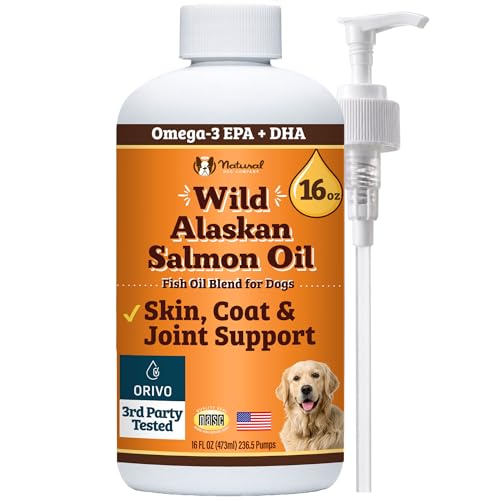



Sardines vs Fish Oil Supplements — Which Is Better?
This is a practical question for dog owners looking to increase omega-3 intake and worth answering honestly.
Fish oil supplements:
- Consistent, measurable dose of EPA and DHA per capsule or measured serving
- No fish odour on the food (less for some dogs)
- Convenient for daily use
- Good option for dogs who won’t eat sardines
- Can go rancid if not stored correctly after opening
Sardines:
- Whole food source — provides protein, vitamins, minerals, CoQ10, and soft-bone calcium alongside the omega-3s
- Much lower cost per serving than most fish oil supplements
- Most dogs find the smell highly motivating — useful as a food topper for reluctant eaters
- Natural variation in omega-3 content per fish
- Excellent for occasional use; consistent for regular use within portion guidelines
For dogs who enjoy sardines and whose owners can source appropriate water-packed no-salt varieties reliably, sardines provide a broader nutritional profile than fish oil alone while costing significantly less. For dogs who are uninterested in sardines or where precise daily omega-3 dosing is needed (such as in therapeutic use under veterinary guidance), a quality fish oil supplement is more consistent.
Many raw feeding and BARF practitioners use both — sardines two or three times per week as a food topper, and fish oil on other days — for the broadest coverage.
Dogs Who Should Have Sardines Cleared With Their Vet First
Most healthy adult dogs can have sardines without concern. However, check with your vet before introducing sardines for:
- Dogs with a history of pancreatitis — the natural fat content requires consideration
- Overweight dogs — calorie contribution needs accounting
- Dogs with kidney disease — phosphorus and sodium content requires management
- Dogs with heart disease or on sodium-restricted diets
- Dogs with known fish allergies or sensitivities
- Dogs on blood-thinning medications — omega-3s have mild anticoagulant properties
Can Puppies Have Canned Sardines?
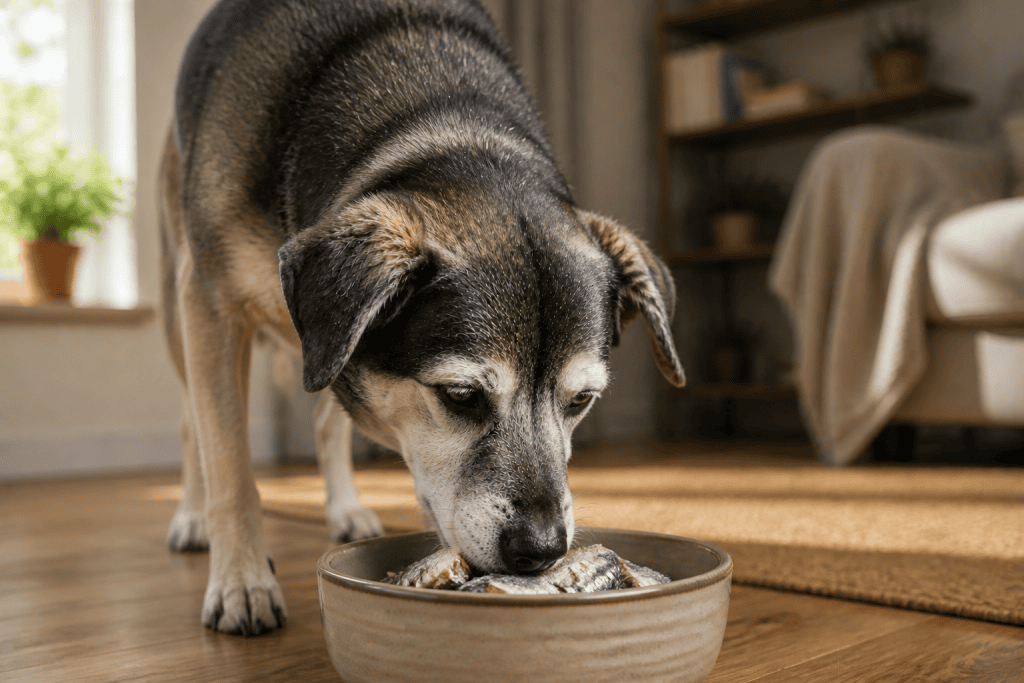
Yes — sardines are particularly valuable for puppies. The DHA content in sardines supports healthy brain development and vision during the critical growth period. Dial A Vet confirms sardines are safe for puppies. Keep portions very small — a quarter of a small sardine for toy breeds, half for small to medium puppies — and always use no-salt water-packed sardines. Introduce gradually and monitor for any digestive reaction.
Can Senior Dogs Have Canned Sardines?
Absolutely — sardines are one of the most worthwhile additions to a senior dog’s diet. The anti-inflammatory omega-3s are genuinely relevant for older dogs with joint stiffness and arthritis. The CoQ10 supports cardiovascular health — increasingly important in ageing dogs. The vitamin D and calcium from soft bones supports bone density. Senior dogs with kidney disease, heart disease, or pancreatitis history should have sardines cleared with their vet first.
How to Serve Canned Sardines to Your Dog
As a food topper — open the tin, drain the water, rinse briefly, mash with a fork, check for any harder bone fragments, spoon the appropriate portion over regular kibble or wet food. Most dogs need no encouragement — the smell alone creates significant enthusiasm.
Whole as a treat — for medium and large dogs, a whole small sardine offered directly is fine. Check that the bones feel soft throughout before offering whole.
Mashed into Kong — mashed sardine mixed with plain Greek yogurt or plain pumpkin puree, stuffed into a Kong and frozen, makes an excellent enrichment treat with significant nutritional value.
Lick mat topper — mashed sardine spread thinly on a lick mat is particularly good for dogs that benefit from the calming licking activity. The strong smell makes it highly engaging.
Mixed with other fish — sardine combined with a small portion of canned salmon (no salt, water-packed) and plain cooked rice or vegetables makes a nutritionally complete home-prepared meal supplement.
What to Do If Your Dog Ate Sardines in Oil or Brine
Oil-packed sardines — small amount, healthy adult dog: Monitor for 24-48 hours for signs of digestive upset or pancreatitis — vomiting, abdominal pain, lethargy, diarrhoea. Provide fresh water. For dogs prone to pancreatitis, contact your vet for guidance.
Brine or tomato sauce sardines — any amount: Check the ingredient list for garlic and onion. If present, contact your vet immediately. If no allium ingredients, monitor for sodium-related symptoms — excessive thirst, vomiting, lethargy — and contact your vet if symptoms develop.
Any dog showing signs of pancreatitis: Contact your vet immediately. Repeated vomiting, abdominal pain, hunched posture, and lethargy are signs requiring urgent assessment.
The Bottom Line
Canned sardines in spring water with no added salt are one of the most genuinely nutritious and cost-effective fish treats available for dogs — confirmed safe by the AKC, Dial A Vet, and SpectrumCare’s veterinary content. The low mercury profile, active-form EPA and DHA, complete protein, CoQ10, vitamin D, B12, selenium, and soft-bone calcium make sardines a whole-food nutritional package with few rivals in the treat market.
Water-packed, no-salt, rinsed, mashed — that’s the preparation formula. Once or twice a week as a food topper is the appropriate frequency for most healthy adult dogs. And if your dog has never tried them before, be prepared: the reaction is usually immediate and enthusiastic.
Frequently Asked Questions
Can dogs eat canned sardines? Yes — plain, water-packed, no-added-salt canned sardines are safe and nutritious for dogs in appropriate portions.
Are sardines better than tuna for dogs? Yes — sardines are significantly lower in mercury than tuna, can be given more frequently, and provide a broader nutritional profile including CoQ10 and soft-bone calcium.
Can dogs eat sardines in oil? Not recommended — oil adds significant fat that creates pancreatitis risk. Water-packed sardines provide all the same benefits without the added fat load.
Can dogs eat sardines in tomato sauce? No — tomato sauce typically contains garlic and/or onion which are toxic to dogs, and is very high in sodium. Never give tomato sauce sardines to dogs.
Are the bones in canned sardines safe for dogs? Yes — the canning process softens sardine bones to the point where they are fully edible and digestible. Mash before serving and check for any fragments that feel unusually hard.
How often can dogs have sardines? Once or twice a week as a food topper or treat within the 10% daily calorie guideline is appropriate for most healthy adult dogs.
Sources:
- American Kennel Club — sardines are safe for dogs and an excellent source of omega-3 fatty acids; low on the food chain so very low in mercury; should be packed in water rather than oil or brine (akc.org): https://www.akc.org/expert-advice/nutrition/can-dogs-eat-fish/
- Dial A Vet — reviewed by Dr. Margarette DVM: both fresh and canned sardines are safe for dogs; ensure canned sardines are packed in water without added salt or oil; think of sardines as a supplement or occasional treat (dialavet.com): https://www.dialavet.com/blog/can-dogs-eat-sardines
- SpectrumCare (veterinary content) — dogs can eat sardines in moderation; safest choice is plain sardines packed in water with no added salt, seasoning, onion, or garlic; soft bones in canned sardines are usually edible; specific portion guidance: 1/4-1/2 sardine for small dogs, 1 for medium, 1-2 for large; sardines are lower in mercury than larger predatory fish (spectrumcare.pet): https://spectrumcare.pet/dogs/nutrition/can-dogs-eat-sardines
- Merck Veterinary Manual — sodium ion poisoning documented as serious and potentially fatal in dogs; high-fat dietary exposure is a primary cause of pancreatitis (merckvetmanual.com)
- Cornell University College of Veterinary Medicine — pancreatitis is one of the most common gastrointestinal emergencies in dogs; high-fat dietary exposure including oil-packed fish is a leading cause (vet.cornell.edu)
For more fish guides, see our Can Dogs Eat Canned Tuna? and Can Dogs Eat Canned Salmon? articles — or browse our Sensitive Stomachs section for our top fish-based treat recommendations. Head to our full Can Dogs Eat series for more guides on safe and unsafe foods for dogs.