
Choosing a small dog for a family with children is one of the most rewarding pet decisions you can make — and one of the most important to get right. We’ve already looked at the best choice of breed for the older generation, now we look at the younger generations.
The right small dog becomes a beloved member of the family, teaching children responsibility and compassion, providing daily companionship, and bringing genuine joy to the household for a decade or more. The wrong match can result in an overwhelmed dog, anxious children, or a dog that cannot cope with the energy and unpredictability of family life.
Table of Contents
Dr. Jerry Klein DVM, Chief Veterinary Officer of the American Kennel Club, captures the key consideration clearly: when choosing a dog for your family, it’s important to consider your lifestyle and the ages of your children. If a child is too young, a delicate dog would not be a good match for a rambunctious two to six-year-old. Those children might fare better with a bit sturdier but stable breed.
This guide covers the best little dog breeds for families, organised by what makes each one suitable — including honest guidance on which are better for older children and which handle the chaos of toddlers more reliably.
The Framework — What Makes a Small Dog Family-Friendly?
The American Veterinary Medical Association (AVMA) provides the most important grounding for any breed list: evaluate a dog’s individual temperament, not just breed, before bringing it into a home with children. Breed plays a part in each dog’s temperament, but every dog is an individual. Some of the most child-friendly dogs are mutts who just want a family to call their own.
With that framing in place, the characteristics that consistently define family-friendly small breeds are:
Tolerance for handling — the ability to remain calm and non-reactive when a child handles them imperfectly. Some small breeds are robust and genuinely patient with imperfect handling. Others are fragile physically or temperamentally and do not cope well with enthusiastic children.
Stable, predictable temperament — breeds that do not easily become reactive, anxious, or snappy under stimulation are significantly safer in family environments. CESAR’s guidance is valuable here: look for patience, a gentle temperament, and tolerance for handling.
Energy level matching — a dog whose energy level broadly matches the family’s activity. A very high-energy small dog in a low-activity family becomes a problem. A very low-energy dog in a household of active older children may be under-stimulated.
Sturdy physical build — for families with young children especially, physically robust small breeds handle incidental rough play better than fine-boned, delicate toy breeds. The distinction between sturdy and fragile small breeds is the most practically important consideration in this article and covered for each breed below.
The supervision requirement — non-negotiable at every age: Marcello Veterinary Hospital is direct on this: every dog, no matter how child-friendly, should always be supervised when interacting with children. No breed eliminates the supervision requirement.
The Most Important Age Consideration — Matching Breed to Child Age
CESAR’s guidance provides the most useful age framework:
Families with toddlers and under-5s — need sturdy, tolerant breeds that can handle imperfect handling without becoming anxious or reactive. Delicate toy breeds including Chihuahuas, Maltese, and Yorkshire Terriers are not appropriate for very young children — not because they are unfriendly, but because they can be injured by rough handling, and their stress response to unpredictable young children can create safety concerns.
Families with school-age children (5 to 12) — a much wider range of small breeds is appropriate. Children in this age group can be taught proper dog interaction, can understand boundaries, and are more predictable in their behaviour around dogs.
Families with teenagers — virtually any small breed can work. Teenagers can manage dogs responsibly and the interaction is more like adult-to-dog.
Best Little Dog Breeds for Families — The Vetted List
1. Cavalier King Charles Spaniel — The Overall Best Choice
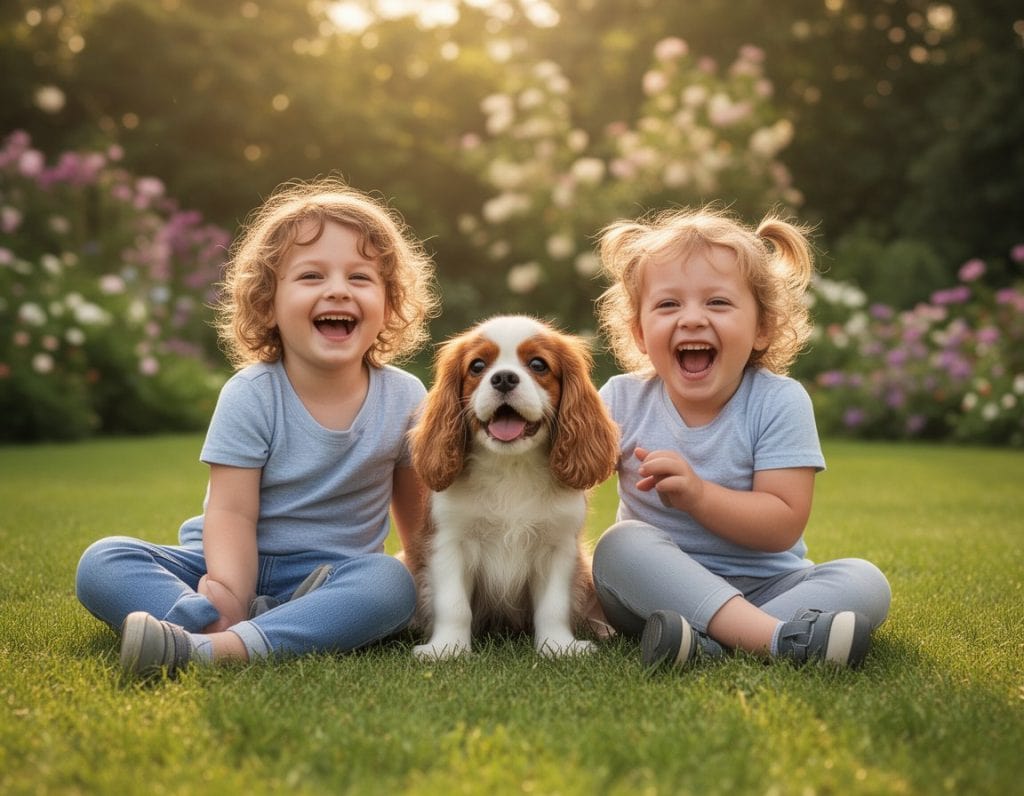
The Cavalier King Charles Spaniel consistently tops both the senior dog list and the family dog list — and there is good reason for this versatility. ManyPets identifies them as renowned for their expressive eyes and affectionate nature — Cavaliers meld seamlessly into family life and have a notable tolerance for noise and chaos, making them ideal for busy households with children.
Cavaliers are gentle, patient, and deeply people-oriented. They are sturdy enough for gentle rough-and-tumble with school-age children while being calm enough for quieter family environments. They bond closely with all family members rather than attaching exclusively to one person — particularly valuable in a family setting. The Veterinary Formula confirms Cavalier King Charles Spaniels are rated five out of five by the AKC for being good with young children.
For toddlers: the Cavalier is one of the more appropriate small breeds for families with very young children — their patience and calm tolerance are genuine.
Health caveat: Cavaliers have documented hereditary health issues including mitral valve disease. Regular veterinary monitoring and pet insurance are strongly recommended. The Marcello Veterinary Hospital notes this is a consideration families should understand before committing.
Best for: All family types, all ages of children, any living environment.
2. Beagle — Best for Active Families
The Beagle is consistently described as one of the best small dogs for families with children at any age. Dr. Jerry Klein DVM (AKC) is specific: Beagles are good with children and other dogs, though they are active dogs that need lots of interactive play. The Veterinary Formula confirms Beagles are rated five out of five by the AKC for being good with young children — describing them as fun-loving, loyal, and easy-going.
Beagles are physically sturdy — more robust than many small breeds and well able to handle the enthusiastic play of young children. Their pack-dog nature means they genuinely enjoy being part of a busy family and thrive on social interaction. They are tolerant, patient, and reliably gentle.
The energy and exercise consideration: Beagles are active dogs. They need significant daily exercise and mental stimulation — they are not appropriate for sedentary families. CESAR notes Beagles have a reputation for being tolerant with rambunctious kids, but they love to play and do best in active families. Families that hike, spend time outdoors, and can commit to 45 minutes to an hour of active exercise daily will have a genuinely wonderful family dog.
The vocal consideration: Beagles bark and howl. For families in apartments, semi-detached homes with close neighbours, or with young babies who need quiet sleeping environments, this is a meaningful practical concern.
The nose consideration: Beagles are scent-driven and will follow interesting smells without looking up. Secure fencing in the garden is essential.
Best for: Active families with children of any age, access to outdoor space, secure garden, and tolerance for a vocal dog.
3. Bichon Frisé — Best for Allergy-Prone Families
For families where allergies are a concern, the Bichon Frisé is the most accessible small family breed recommendation. Marcello Veterinary Hospital describes the Bichon as a playful, loving bundle of fun — low-shedding and long-lived, with kids adoring this little character. They form strong ties with their people and don’t like to spend long periods of time alone.
Bichons are cheerful, adaptable, and genuinely playful without being overwhelming. Their low-shedding, minimal dander coat makes them appropriate for many allergy sufferers — no dog is truly hypoallergenic (all dogs produce some allergens), but Bichons are among the more allergy-friendly options. Their small size makes them manageable and their sunny temperament makes them consistently pleasant to be around.
Grooming consideration: the Bichon’s curly white coat requires regular professional grooming. In a practical short cut, maintenance is straightforward.
Best for: Families where allergies are a concern, children of school age and older, any living environment including apartments.
4. Cavalier–Poodle Cross (Cavapoo) and Cocker Spaniel–Poodle Cross (Cockapoo) — The Hybrid Option
While not purebreds, Cavapoos and Cockapoos deserve inclusion because they represent the most popular family small dog choices in the UK and increasingly in many other markets. ManyPets is direct: well-bred Cockapoos are nearly perfect for any family, especially those with children or first-time dog owners — trainable, sweet, and fun dogs.
Both hybrid breeds combine the gentle temperament of their spaniel parent with the intelligence and low-shedding coat of the Poodle parent. The result is typically a family-friendly, low-shedding, intelligent, and affectionate small to medium dog that is genuinely adaptable to family life.
The caveat for hybrid breeds: quality varies enormously depending on the breeding practices used. ManyPets’ practical warning is important: pay attention to the breeder you choose, even when it comes to mixed breeds. Health testing of parents, responsible breeding practices, and good early socialisation are what separate a wonderful family Cockapoo from a poorly bred one. Always meet the parents where possible, see health certificates, and avoid puppy farms and online-only sellers.
Best for: Families looking for a popular, low-shedding, first-time-owner-friendly family dog who can commit to researching a responsible breeder.
5. Cocker Spaniel (English) — Best Small Sporting Breed
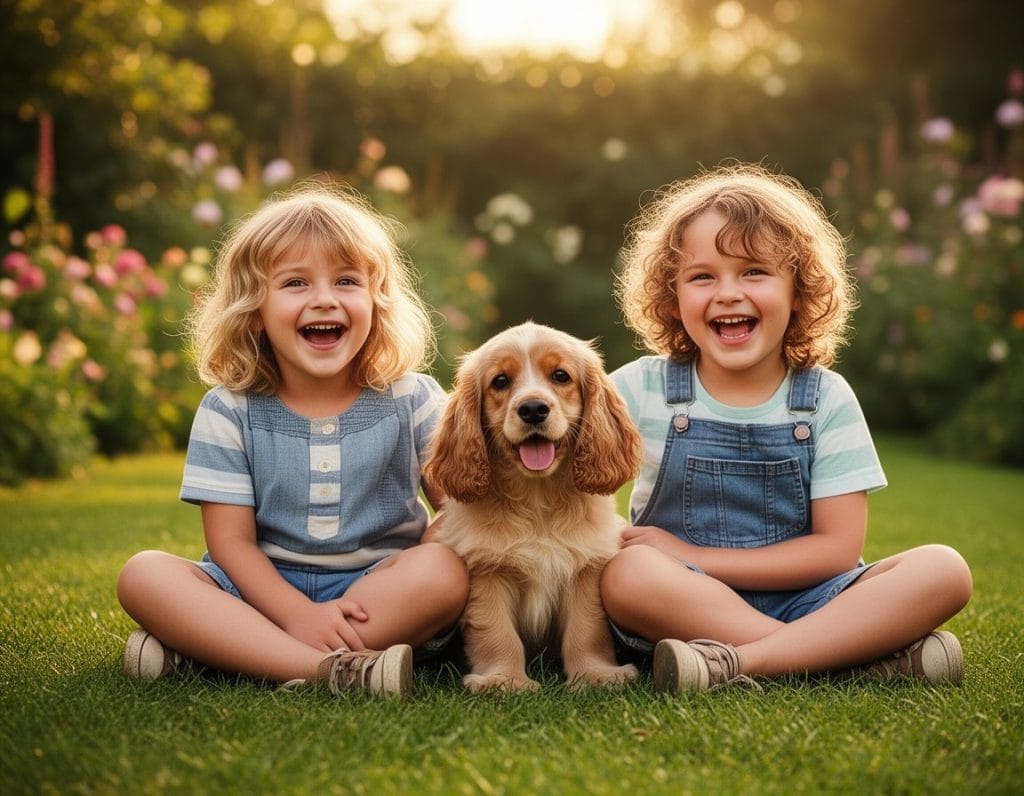
Marcello Veterinary Hospital specifically includes the Cocker Spaniel on their small family dog list: good with older children and even-tempered, the Cocker Spaniel is the smallest member of the sporting group. These dogs adore romping around in the garden with the kids and can adapt well to apartment life but crave companionship.
English Cocker Spaniels are slightly larger than some of the other breeds on this list — typically 12 to 15kg — but are confidently in the small-to-medium category. They are robust, gentle, playful, and reliably affectionate with children. They need daily exercise and enjoy interactive play.
Grooming consideration: the Cocker’s silky coat requires regular brushing and professional grooming to prevent matting, particularly around the ears and legs.
Best for: Families with school-age children who enjoy active play and can commit to regular grooming.
6. Boston Terrier — Best Urban Family Dog
The Boston Terrier is described by Dr. Jerry Klein DVM (AKC) as extremely friendly, portable, and enthusiastic in everything they’re involved in — joyful and up for a new adventure whether going for a walk or socialising with other dogs and people. ManyPets confirms Boston Terriers are great for active city dwellers looking for a dog with moderate energy levels that adapts easily to different environments.
Boston Terriers are compact (typically 5 to 10kg), non-shedding, cheerful, and reliably friendly. They are a genuinely practical urban family dog — comfortable in apartments, adaptable to city routines, and easy to transport. Their tuxedo markings and expressive faces make them extremely popular with children.
Health consideration: Boston Terriers are mildly brachycephalic — their shorter muzzle can cause breathing difficulties in hot weather. Not as severely affected as French Bulldogs or Pugs, but temperature management during summer and exercise sessions is recommended.
Best for: Urban families, apartment dwellers, families with moderate activity levels and children aged 4 and above.
7. Miniature Poodle — Best for Allergy-Prone Active Families
Dr. Jerry Klein DVM (AKC) describes Poodles as easily trainable, people-oriented, and an overall versatile breed. The Veterinary Formula notes the Miniature Poodle is highly intelligent, responds exceptionally well to positive reinforcement training, and sheds very little — a practical choice for families with pet allergies.
Miniature Poodles (4 to 7kg) are athletic, playful, and genuinely energetic in a way that matches well with active school-age children. Their intelligence makes them among the most trainable dogs on this list — they pick up commands quickly, respond well to consistent positive training, and remain engaged with family routines.
Best for: Active families with older children, allergy concerns, who enjoy the engagement of a highly intelligent, trainable dog.
8. Pug — Best for Quiet, Apartment-Living Families
Dr. Jerry Klein DVM (AKC) describes Pugs as easygoing, playful, and affectionate with an even temperament — loyal and devoted to their families. CESAR confirms Pugs are compact, easy-going, and social, not needing a lot of space — a good fit for calmer households. ManyPets confirms Pugs are sturdy enough to handle play with children and always ready for cuddles.
Pugs are genuinely family-friendly — patient, not reactive, and reliably good-natured. Their compact, sturdy build is more appropriate for young children than delicate toy breeds.
Health caveat — significant: Pugs are a severely brachycephalic breed with documented chronic health issues. Temperature management is critical — Pugs overheat quickly and exercise in warm weather must be carefully limited. Veterinary costs over a Pug’s lifetime can be significant. CESAR’s honest note applies: you may need to urge them to exercise, as Pugs are prone to weight gain.
Best for: Calm family households, apartment living, families who understand and are prepared for brachycephalic health requirements.
Breeds That Are Small But Better for Older Children Only
The following small breeds are excellent family dogs but are better matched to families with school-age or older children, not toddlers:
Yorkshire Terrier — Yorkies match best with families with older children because of their small, fragile size. Fiercely loyal and deeply affectionate, but their tiny frame means rough handling from young children can cause injury and their response to stress can create safety concerns.
Chihuahua — Chihuahuas can be fragile and could be hurt by rough handling by a toddler. Wonderful companions for families with older children who understand gentle handling, but not appropriate for families with under-5s.
Maltese — The Maltese is best suited for families with older children who understand gentle handling and may watch for dental issues. Deeply affectionate and beautiful, but physically fragile.
Pomeranian — Pomeranians as best suited for families with older children, fragile due to their size with a coat needing plenty of grooming.
Safety With Children — What Every Family Needs to Know
Regardless of breed, the AVMA’s practical guidance applies across the board:
Supervision is never optional — no breed, however child-friendly, eliminates the need for supervision during dog-child interactions. Young children should always be supervised with any dog.
Teach children how to interact with dogs — CESAR provides the clearest framework: teach children to approach dogs calmly without sudden movements; pet gently avoiding sensitive areas like ears, tails, and paws; never touch a dog while eating or sleeping; always give the dog a safe space to retreat to when overwhelmed.
Every dog needs a safe space — a crate, bed, or quiet corner where children know not to follow. A dog that has no retreat from overwhelming stimulation is more likely to become anxious or reactive.
Meet before committing — Veterinary Formula’s recommendation from Nelson is important: whether buying from a breeder or adopting from rescue, arrange a meet and greet. This ensures a good fit and reduces the chance that the dog will have to be surrendered back to the shelter, which can be traumatic to both the dog and the family.


Training Small Family Dogs — Natural Treats Make It Easier
Small dogs are highly food-motivated and respond very well to positive reinforcement training with appropriate treats. For the small breeds on this list, the most effective training treats are:
- Fingernail-sized pieces — small enough to consume in under 3 seconds so training momentum is maintained
- Soft texture — easy to eat quickly without lengthy chewing
- High value — natural meat-based treats (air-dried chicken, freeze-dried salmon, small beef liver pieces) provide strong motivation
- Low calorie — given the small daily calorie budgets of small dogs, low-calorie treats prevent inadvertent overfeeding
Browse our Training Treats section for our top recommendations for small breeds, and our Puppy Treats section for puppy-specific options.
The Bottom Line
The best little dog breeds for families combine child-appropriate temperament, physical sturdiness matched to the children’s ages, and energy levels that fit the family’s lifestyle. The Cavalier King Charles Spaniel is the most universally appropriate choice. The Beagle is the best pick for active families. The Bichon Frisé and Miniature Poodle are the best allergy-friendly options. The Boston Terrier is the most practical urban family dog.
No breed selection replaces proper supervision, appropriate training, and teaching children how to interact respectfully with a dog. A well-chosen breed, a well-trained dog, and well-guided children together create the kind of family dog relationship that children remember for the rest of their lives.
Frequently Asked Questions
What is the best small dog for a family with young children? The Cavalier King Charles Spaniel is the most consistently recommended small family dog for all ages. For very young children, choose sturdy breeds over delicate toy breeds — the Cavalier, Beagle, and Bichon Frisé are all more appropriate than Chihuahuas, Yorkies, or Maltese for toddlers.
Are small dogs safe with children? Small dogs can be excellent with children when appropriately matched to the children’s ages and properly supervised. Delicate toy breeds can be injured by rough handling from young children. All dog-child interactions should be supervised regardless of breed.
What small dog is best for a family with allergies? The Bichon Frisé, Miniature Poodle, and hybrids like the Cockapoo and Cavapoo are the best low-shedding options. No dog is truly hypoallergenic — all dogs produce some allergens — but these breeds are among the more allergy-friendly choices.
Are French Bulldogs good family dogs? French Bulldogs are patient and gentle with children and suit apartment living. Their brachycephalic health requirements — breathing management, heat restrictions, potentially higher veterinary costs — are important to understand before committing.
Should I get a puppy or adult dog for a family with children? Both can work. Adult rescue dogs have known temperaments, which removes the uncertainty of puppy personality development. Puppies bond deeply with children who grow up with them. The AVMA recommends a meet and greet before committing either way.
What small dogs are NOT suitable for families with toddlers? Chihuahuas, Yorkshire Terriers, Maltese, and Pomeranians are generally better suited to families with older children due to their fragile size and potential stress response to unpredictable young children.
Sources:
- American Kennel Club — Dr. Jerry Klein DVM, AKC Chief Veterinary Officer: lifestyle and children’s ages are key considerations; delicate dogs not a good match for rambunctious under-6s; Beagles good with children and other dogs; Pugs easygoing, playful, and affectionate with even temperament; Boston Terriers friendly and enthusiastic; Poodles easily trainable, people-oriented, and versatile (akc.org and newsweek.com): https://www.akc.org/dog-breeds/best-family-dogs/
- Marcello Veterinary Hospital — best small family dogs including Bichon Frisé, Cocker Spaniel; Cavalier King Charles Spaniel confirmed as family-friendly; every dog should be supervised with children; adult dog with gentle temperament recommended for households with very young children (marcellovethospital.com): https://www.marcellovethospital.com/site/blog/2023/02/15/best-small-family-dogs
- Veterinary Formula — list of best dog breeds for kids rated 5/5 by AKC for young children; Cavalier King Charles Spaniel and Beagle cited as among best small dogs for kids; meet-and-greet with rescue dogs recommended before adoption (veterinaryformula.com): https://www.veterinaryformula.com/blogs/news/15-best-dog-breeds-for-kids
- American Veterinary Medical Association (AVMA) — recommends evaluating a dog’s individual temperament, not just breed, before bringing into a home with children; breed plays a part but every dog is an individual (avma.org, cited via petnicki.com)
- CESAR — fragile small breeds not a good match for toddlers; sturdy breeds like Beagles and Pugs tolerate toddlers better than fragile toy breeds; teach children to approach calmly, pet gently, and give dogs a safe retreat space (cesar.com): https://www.cesar.com/dog-care/socialization/small-dogs-for-families-with-kids
For natural treat recommendations for small family dogs, browse our Training Treats and Puppy Treats sections — or explore our Can Dogs Eat series for guidance on safe and nutritious foods for dogs at every life stage.