
Yes — dogs can eat beef liver, and it is widely regarded as one of the most nutritionally dense foods you can give a dog. Dr. Linda Simon MVB MRCVS, reviewing content for Wagwalking, confirms that liver is packed with nutrition and is a healthy, lean meat for dogs. Beef liver features in quality commercial dog foods and BARF diet formulations precisely because of its exceptional nutritional profile — it is sometimes called nature’s multivitamin for good reason.
Table of Contents
The single most important thing to understand about beef liver is the vitamin A limit. Beef liver contains very high concentrations of vitamin A. Unlike water-soluble vitamins that the body excretes if excess is consumed, fat-soluble vitamin A accumulates in body tissue. Fed correctly and within appropriate limits, this is a benefit — vitamin A is an essential nutrient. Fed excessively over time, it causes hypervitaminosis A — a genuine toxicity condition. This article explains exactly how to get the benefit without the risk.
Why Beef Liver Is So Nutritious for Dogs
Beef liver’s nutritional profile is exceptional — significantly more concentrated than muscle meat in virtually every category:
Vitamin A — The Standout Nutrient (and the Limit)
Beef liver is one of the richest dietary sources of vitamin A on earth. 100 grams of raw beef liver contains approximately 16,989 IU of vitamin A — a remarkable concentration. Vitamin A supports healthy vision (particularly night vision), skin and coat condition, immune function, reproductive health, and normal bone development. It is an essential nutrient for dogs.
The AAFCO (Association of American Feed Control Officials) sets the maximum recommended vitamin A intake at 62,500 IU per 1,000 calories of dog food. At 135 calories and 16,989 IU of vitamin A per 100g of beef liver, this means a dog would need to eat large quantities every day over an extended period to reach genuinely toxic cumulative levels. Hypervitaminosis A from appropriate treat-level liver portions is therefore unlikely in practice — but the risk increases significantly with daily feeding or unrestricted portions, which is why the 5% limit exists.

Vitamin B12 — The Highest Concentration in Any Common Food
Beef liver is the single richest dietary source of vitamin B12 available. B12 is essential for neurological function, red blood cell production, and DNA synthesis — and is only found naturally in animal products. A small amount of beef liver provides many times a dog’s daily B12 requirement.
Iron — Highly Bioavailable Haem Iron
Beef liver is exceptionally rich in haem iron — the form found only in animal products and the most bioavailable form of dietary iron. Haem iron is absorbed far more efficiently than the non-haem iron found in plant foods. For dogs with iron deficiency or anaemia, beef liver is one of the most effective natural dietary supports available — under veterinary guidance.
Copper — The Dual-Edged Mineral
Beef liver is one of the highest dietary sources of copper. Copper is essential for iron metabolism, connective tissue formation, and immune function. However — as with vitamin A — copper accumulates in the body. Dogs who eat large quantities of liver regularly over extended periods may develop copper toxicity, which causes liver damage. This is another reason why the 5% limit matters.
CoQ10 (Coenzyme Q10)
Liver contains meaningful amounts of CoQ10 — an antioxidant compound important for cellular energy production and cardiovascular health. Of particular interest for dogs with heart conditions or older dogs where cardiac support is relevant.
Vitamin D
Supports calcium absorption, bone health, and immune function. Present in useful amounts in beef liver.
Folate, Riboflavin, and B6
Folate supports cell production and red blood cell formation. Riboflavin (B2) supports energy metabolism and skin health. B6 supports brain function, hormone regulation, and immune response. All present in high concentrations.
Zinc and Phosphorus
Zinc supports immune function, wound healing, and skin health. Phosphorus works alongside calcium for bone and teeth health.
Complete High-Quality Protein
Beef liver provides all essential amino acids in highly bioavailable form — more digestible than many plant protein sources and a valuable supplement to muscle meat-based diets.
The Vitamin A Limit — Understanding the Risk Clearly
This is the most important section for any dog owner using beef liver regularly, and it deserves clear, honest explanation.
Hypervitaminosis A is the condition caused by accumulated excess vitamin A. Unlike acute poisoning from a single large dose, it develops gradually from consistent overfeeding over weeks or months. Cornell University College of Veterinary Medicine confirms that vitamin A toxicity in dogs causes a progressive syndrome affecting bone and joint health, the skin, and systemic organ function.
Symptoms of vitamin A toxicity include:
- Lethargy and reduced appetite
- Nausea and digestive discomfort
- Peeling or flaking skin
- Bone and joint stiffness — particularly in the spine
- Difficulty walking or an unusual gait
- Bone deformities over time
- In advanced cases: weight loss, neurological symptoms including tremors, and seizures
Dial A Vet is specific: limit liver treats to no more than a couple of times per week and maintain it at about 5% of your dog’s total dietary intake to avoid vitamin A toxicity.
Best Friends Veterinary Hospital, a veterinary practice, provides clear guidance: large dogs can consume up to three ounces of beef liver per week — and this should be divided into smaller portions and mixed with their regular food.
The reassuring context: you are very unlikely to cause vitamin A toxicity by giving your dog appropriate liver treats a few times per week within the 5% guideline. The risk is associated with daily large portions over extended periods without accounting for other vitamin A sources in the diet. However, the guideline exists because the cumulative nature of fat-soluble vitamin A makes consistent overconsumption genuinely dangerous over time.
If your dog is also receiving:
- Other organ meats (which also contain vitamin A)
- Commercial dog food already providing vitamin A
- Vitamin A supplements
— then these must all be factored into the total vitamin A calculation. Reduce liver portions accordingly if your dog is receiving other significant vitamin A sources.
The 5% Rule — In Practical Terms
The widely cited guideline from veterinary nutrition sources is that liver should make up no more than 5% of a dog’s total daily or weekly diet. Best Friends Veterinary Hospital and Dial A Vet both use this as their primary limit specifically for liver (slightly stricter than the general 10% organ meat guideline, which accounts for liver’s higher vitamin A and copper content).
Practical weekly portions:
- Small dogs (under 10kg) — up to 30g (approximately 1 oz) of beef liver per week, divided into 2-3 servings
- Medium dogs (10–25kg) — up to 60-70g per week, divided into 2-3 servings
- Large dogs (over 25kg) — up to 85g (approximately 3 oz) per week, per Best Friends Veterinary Hospital guidance, divided into servings
These are maximum weekly totals — not daily amounts. Divide across the week in small portions rather than giving the full weekly allowance at once.
Never give beef liver daily. Dr. Linda Simon MVB MRCVS is clear: liver should be given in small portions and occasionally. Daily feeding is not recommended.
Frozen Dog Food
Frozen dog food provides dogs with a nutrient‑dense, minimally processed diet that supports overall health and vitality. Packed with fresh ingredients, natural proteins, and essential nutrients, frozen meals help promote healthy digestion, improved skin and coat, and increased energy levels. Many dogs find frozen food highly palatable, making it an excellent choice for picky eaters or dogs with sensitive stomachs.
Check Frozen Dog Food On AmazonRaw vs Cooked Beef Liver — The Preparation Choice
Cooked beef liver — the safer and most practical choice for most dog owners. Dr. Linda Simon MVB MRCVS confirms: cook the beef liver without any extra oils and seasoning. The FDA warns that raw meat including organ meat carries bacteria including Salmonella, Listeria, and E. coli — a risk to both dogs and the humans who handle the meat. Cooking eliminates this risk while retaining most of liver’s exceptional nutritional value. Some heat-sensitive vitamins (particularly vitamin C and some B vitamins) are reduced, but the mineral profile, vitamin A, B12, iron, and copper content are well-preserved through light cooking.
Raw beef liver — used throughout the BARF and raw feeding community as a standard organ meat component. Retains the full nutritional profile including heat-sensitive enzymes and the complete B vitamin content. Appropriate for committed raw feeders with proper sourcing, handling, and food safety protocols. Freeze raw liver for at least two weeks before use to reduce parasitic risk.
Never: give beef liver cooked with oil, butter, salt, garlic, onion, or any seasoning. Always plain. Never give processed liver products made for human consumption (pâté, liver sausage, liver spread) — these contain salt, spices, additives, and preservatives not appropriate for dogs.
Simple Preparation Method (Cooked):
- Rinse under cold running water
- Cut into appropriately sized pieces (pencil-eraser to thumb-nail sized for training treats; larger pieces for food topping)
- Place in a pan of water (no additions)
- Simmer for 10 to 15 minutes until fully cooked through
- Drain, cool completely
- Serve or store in fridge for up to three days, or freeze for up to three months
For Dehydrated Liver Treats:
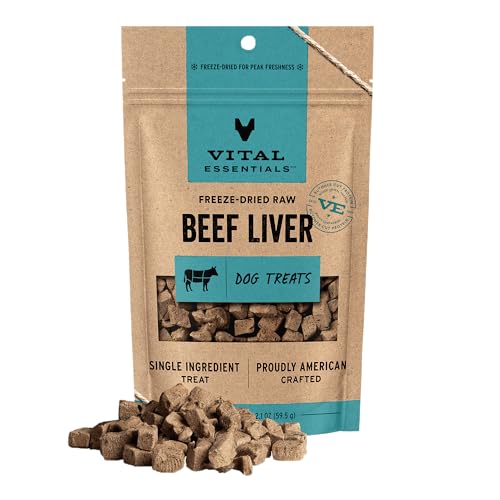
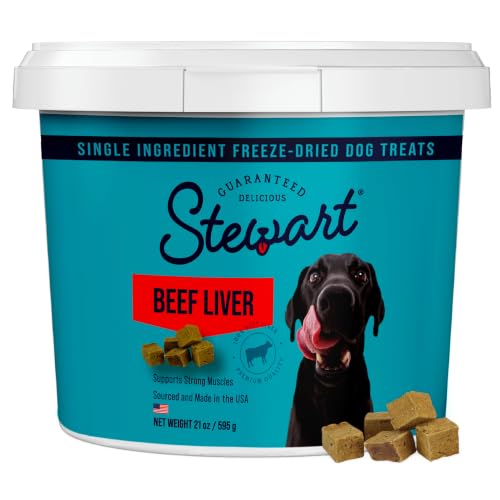
Slice thinly and dehydrate in a food dehydrator or oven at the lowest setting (around 70°C/160°F) for 6 to 8 hours until completely dry and leathery. No additions needed — the natural flavour of dehydrated liver is intensely appealing to most dogs and requires nothing else. This produces the training treats that most dogs lose their minds for.


Beef Liver as a Training Treat — The Most Popular Use
This is where beef liver earns its reputation with dog trainers and owners. Dehydrated or lightly cooked liver treats are among the most effective high-value training rewards available:
- Intense smell — the strong, distinctive aroma carries across a room and cuts through distractions in ways that milder treats cannot
- High palatability — virtually all dogs find liver immediately compelling, including dogs who are picky about other treats
- Small portion viability — a tiny piece of liver carries significant motivational value. Pencil-eraser sized pieces are sufficient for training rewards, meaning the 5% weekly allowance goes much further than the volume suggests
- Soft texture — easy to eat quickly, which matters in training where speed of reward delivery affects learning
Given in appropriate training treat-sized pieces and within the weekly 5% limit, beef liver is one of the most effective and genuinely nutritious training treats available.
Beef Liver vs Other Liver Types
The most common liver types available for dogs are beef, chicken, and lamb. All are appropriate — the differences are worth knowing:
Beef liver — highest vitamin A and copper content of common liver types. Most nutrient-dense but requires the most careful attention to portions for these reasons. Richest flavour, most palatable for most dogs. Most widely available from butchers.
Chicken liver — lower in vitamin A and copper than beef liver. Slightly more forgiving on portions. Softer texture. Equally high in B12 and iron. A good alternative if concerned about the beef liver vitamin A and copper levels.
Lamb liver — typically higher in iron than chicken liver, lower in vitamin A than beef liver. Good middle-ground option. Less commonly available but worth seeking out for variety.
Rotating between liver types across the week is a practical strategy — it prevents overconsumption of any single compound (particularly vitamin A and copper from beef liver) while providing the full range of nutritional benefits across sources.
Sourcing — Why It Matters
Best Friends Veterinary Hospital recommends choosing high-quality, organic beef liver and ensuring it is sourced from reputable suppliers to minimise the risk of harmful substances including toxins and heavy metals.
The liver is the body’s primary detoxification organ — it processes and neutralises toxins from the bloodstream. While it does not store toxins (a common misconception), liver from animals raised in poor conditions or exposed to heavy metals and chemical inputs may contain higher residual levels of these substances. Grass-fed, organic-raised beef liver from reputable butchers or pet food suppliers provides the cleanest nutritional profile.
Beef Liver for Dogs with Anaemia
Dr. Linda Simon MVB MRCVS notes that due to its high concentration of highly absorbable iron and B vitamins, liver can be an excellent dietary supplement for dogs with certain types of anaemia. Iron is a fundamental component of haemoglobin and the haem iron in beef liver is the most bioavailable form available from any food source.
If your veterinarian has diagnosed your dog with iron-deficiency anaemia, beef liver under veterinary guidance can be a genuinely therapeutic dietary addition — not just a nutritional supplement. Always confirm the type and cause of anaemia with your vet before using dietary iron as a management strategy.
Can Puppies Eat Beef Liver?
Yes — in very small amounts. Wagwalking’s vet-reviewed content recommends introducing beef liver into puppies’ diets in small amounts — for a young puppy, a piece no bigger than a pinky fingernail once or twice a week. Puppies’ vitamin A requirements relative to their small body size mean the portion limits are proportionally tighter than for adult dogs. Introduce gradually. Consult your vet for guidance on appropriate amounts for your puppy’s age, size, and breed.
Can Senior Dogs Eat Beef Liver?
Yes — with the usual caveats. The B12, iron, and CoQ10 content are all genuinely valuable for older dogs. Senior dogs with liver disease should have beef liver cleared with their vet — the copper content in particular requires consideration for dogs with compromised liver function. Senior dogs with kidney disease should also discuss organ meat with their vet given the protein and phosphorus content.
Signs of Vitamin A Toxicity — When to Contact Your Vet
Contact your vet immediately if your dog shows:
- Lethargy or sudden fatigue
- Loss of appetite
- Constipation or digestive changes
- Stiffness, particularly in the spine or neck
- Difficulty walking or unusual gait
- Skin changes — peeling, flaking, or unusual texture
- Neurological symptoms — confusion, disorientation, tremors
These symptoms can indicate vitamin A toxicity but may also indicate other conditions — veterinary assessment is essential to determine the cause.
The Bottom Line
Beef liver is one of the most nutritionally impressive foods you can give a dog — confirmed safe and beneficial by Dr. Linda Simon MVB MRCVS, Dial A Vet, and Best Friends Veterinary Hospital, and used in quality commercial dog foods for exactly this reason. The vitamin B12, iron, vitamin A, copper, CoQ10, folate, and complete protein content make it genuinely exceptional.
The 5% weekly limit is the non-negotiable rule. This is not a guideline to work around — it is the condition under which beef liver is beneficial rather than harmful. Within this limit, a few times per week in small portions, beef liver is one of the best things you can add to your dog’s diet.
Frequently Asked Questions
Can dogs eat beef liver? Yes — Dr. Linda Simon MVB MRCVS confirms it is packed with nutrition and healthy for dogs. Keep within the 5% weekly diet limit to avoid vitamin A and copper toxicity.
How much beef liver can a dog have per week? Up to 30g for small dogs, 60-70g for medium dogs, and up to 85g for large dogs — divided into 2-3 servings across the week. Never daily.
Can dogs eat raw beef liver? The BARF community uses raw liver as a standard component. The FDA warns of bacterial risk from raw meat. Cooked beef liver is the safer choice for most dog owners. Raw feeders should follow appropriate handling and freezing protocols.
Can beef liver cause vitamin A toxicity in dogs? Yes — if fed in excess over an extended period. A single serving or occasional treat is not a concern. Daily large portions over weeks or months create cumulative risk. The 5% weekly limit prevents this.
Is beef liver or chicken liver better for dogs? Both are excellent. Beef liver is higher in vitamin A and copper — more nutrient-dense but requiring stricter portion control. Chicken liver is slightly more forgiving. Rotating both provides broad nutritional coverage.
Can beef liver help dogs with anaemia? Yes — the highly bioavailable haem iron and B vitamins in beef liver make it a genuinely useful dietary support for iron-deficiency anaemia under veterinary guidance.
Sources:
- Wagwalking — Dr. Linda Simon MVB MRCVS: liver is packed with nutrition and is a healthy, lean meat for dogs; cook without extra oils and seasoning; give in small portions and occasionally (wagwalking.com): https://wagwalking.com/wellness/can-dogs-eat-liver
- Dial A Vet — limit liver treats to no more than a couple of times per week; maintain at about 5% of total dietary intake to avoid vitamin A toxicity; signs of toxicity include lethargy, anorexia, nausea, peeling skin, tremors, and abdominal discomfort (dialavet.com): https://www.dialavet.com/vet-answers/dog-beef-liver-treats-health-5964
- Best Friends Veterinary Hospital — choose high-quality organic beef liver from reputable suppliers; large dogs can consume up to three ounces per week in smaller portions mixed with regular food; vitamin A toxicity symptoms include bone deformities, weight loss, and digestive issues (bestfriendsvet.org): https://bestfriendsvet.org/blog/is-beef-liver-good-for-dogs/
- US Food and Drug Administration (FDA) — raw meat including organ meat carries bacteria including Salmonella, Listeria, and E. coli posing risk to dogs and humans (fda.gov)
- Association of American Feed Control Officials (AAFCO) — maximum recommended vitamin A: 62,500 IU per 1,000 calories; 100g of beef liver contains approximately 16,989 IU of vitamin A at 135 calories (aafco.org)
- Cornell University College of Veterinary Medicine — hypervitaminosis A and copper toxicity documented as conditions from excessive organ meat consumption in dogs; fat-soluble vitamin A accumulation in body tissue (vet.cornell.edu)
For more organ meat guides, see our Can Dogs Eat Beef Kidney? article — or browse our Adult Dog Treats section for our top natural treat recommendations including dehydrated liver treats. Head to our full Can Dogs Eat series for more guides on safe and unsafe foods for dogs.