
No — hot dogs are not a food you should deliberately give your dog, and they are one of the worst processed meat products a dog could encounter. Hot dogs are not acutely toxic in the way grapes or xylitol are, and a single small stolen piece from a barbecue is unlikely to cause a veterinary emergency. But hot dogs combine high sodium, high fat, chemical preservatives including nitrates, and frequently garlic and onion powder — a combination that makes them genuinely problematic for dogs even in modest amounts.
Disclosure: This post contains affiliate links. As an Amazon Associate, we earn from qualifying purchases at no additional cost to you.
Table of Contents
The Veterinary Medical Center of Easton puts it plainly: most hot dog varieties are packed with sodium, fillers, and preservatives that are not well suited for dogs. Even small amounts of these ingredients can add up over time.
Here’s exactly why.
What’s Actually in a Hot Dog?
Understanding why hot dogs are problematic requires looking at what they contain. According to USDA FoodData Central data, a standard beef hot dog contains approximately:
- 180 calories
- 16 to 17 grams of fat — predominantly saturated
- 500+ milligrams of sodium — in a single sausage
- Mechanically separated meat — the lowest quality processed protein, not whole-muscle meat
- Nitrates and nitrites — chemical preservatives
- Corn syrup or sugar — added for flavour
- Garlic and onion powder — in the majority of commercially available varieties
- Artificial colours and flavour enhancers
None of these ingredients serve any useful nutritional purpose for a dog. Several create real health risks.
The Sodium Problem
This is the most immediately dangerous component for most dogs. The National Research Council’s guidelines indicate that a 15kg dog should consume no more than around 200mg of sodium per day from all dietary sources combined. A single hot dog contains well over 500mg — more than double that dog’s entire daily sodium allowance in one item.
The Merck Veterinary Manual documents sodium ion poisoning as a serious and potentially fatal condition in dogs. Symptoms progress from excessive thirst and urination through to vomiting, diarrhoea, muscle tremors, loss of coordination, and seizures as sodium levels rise.
For small dogs, the risk is even more acute — their sodium tolerance is significantly lower relative to body weight, and the sodium content of a single hot dog can reach or exceed their safe daily limit within a few bites.
The Fat Content and Pancreatitis Risk
At 16 to 17 grams of fat per hot dog, these are among the fattier processed meats available. The fat load from a single hot dog — particularly in concentrated form for a small dog — is sufficient to trigger acute pancreatitis in susceptible individuals.
Cornell University College of Veterinary Medicine identifies pancreatitis as one of the most common gastrointestinal emergencies in dogs, with high-fat dietary exposure as a leading cause. The condition causes significant abdominal pain, repeated vomiting, and diarrhoea, and in serious cases progresses to haemorrhage and multi-organ involvement requiring hospitalisation on intravenous fluids.
Dogs at highest pancreatitis risk from hot dogs include:
- Dogs with any previous history of pancreatitis
- Overweight or obese dogs
- Miniature Schnauzers, Cocker Spaniels, and Yorkshire Terriers — breeds with documented elevated pancreatitis susceptibility
- Senior dogs whose pancreatic function has declined with age
Garlic and Onion — Frequently Present, Always Toxic
This is the component that elevates hot dogs from “not ideal” to “potentially dangerous” — and it’s the one most dog owners aren’t aware of.
The ASPCA Animal Poison Control Center classifies garlic and onion as toxic to dogs, with allium compounds causing oxidative damage to red blood cells that leads to haemolytic anaemia. This toxicity is cumulative — repeated small exposures cause damage that builds over time, meaning a dog who regularly receives hot dogs containing garlic or onion powder may develop anaemia gradually without any single exposure triggering obvious acute symptoms.
The majority of commercially available hot dogs list garlic powder or onion powder as ingredients. This is not prominently advertised on packaging — it appears in the middle of a long ingredient list. Always check before giving any hot dog to a dog, and ideally, avoid them entirely given this risk.
Symptoms of allium toxicity can be delayed by three to five days. A dog that appears well after eating a garlic-containing hot dog may not be fine — monitor for pale gums, lethargy, rapid breathing, and reduced appetite for several days.

Nitrates and Nitrites — The Long-Term Concern
Nitrates and nitrites are chemical preservatives used in hot dogs and most processed meats to maintain colour, extend shelf life, and inhibit bacterial growth. The AKC has noted that nitrates have been linked to cancer in dogs over time. Research in human medicine has also established associations between processed meat consumption and colorectal cancer — mechanisms that are relevant to dogs given the similar gastrointestinal biology.
Nitrates provide no nutritional benefit for dogs and add unnecessary long-term risk. “Nitrate-free” hot dogs that use celery juice powder as a natural preservative still contain naturally occurring nitrates — they are not meaningfully safer in this regard.
The Choking and Shape Risk
Hot dogs pose a specific physical risk that other foods don’t: their cylindrical shape is particularly well suited to blocking airways. The smooth, uniform cylinder can form a near-perfect seal in the throat — a risk documented in human paediatric literature for the same reason.
Dogs who attempt to swallow a whole or large piece of hot dog face a real choking risk, particularly small breeds whose tracheas are narrow. Signs of choking include pawing at the mouth, gagging, retching without producing anything, and in serious cases cyanosis (bluish gums) from oxygen deprivation.
Always cut any hot dog into very small pieces if one is given at all — and never give a whole hot dog to any dog regardless of size.
The Training Treat Exception — With Heavy Caveats
Hot dogs are frequently recommended in dog training communities as a high-value treat because most dogs find them irresistible. Their strong smell, soft texture, and palatability make them effective motivators.
The Veterinary Medical Center of Easton acknowledges this use but is direct about the trade-off: using hot dogs frequently means introducing repeated servings of sodium, fat, and preservatives. Many commercial dog treats offer the same level of excitement without these drawbacks.
If you use hot dogs for training, the following conditions apply:
- Tiny pieces only — pencil-eraser sized, not thumb-sized
- Occasional use — not every session, and not daily
- Plain varieties only — check the full ingredient list for garlic and onion powder every single time
- Low-sodium varieties where possible — some brands offer reduced-sodium options
- Alternate with safer high-value treats — freeze-dried meat, air-dried liver, or natural single-ingredient treats are equally motivating for most dogs without the sodium and nitrate load
The question worth asking is whether any food with this risk profile is worth using as a training treat when better alternatives exist. For most dogs, the answer is no — but if a dog is particularly difficult to motivate and hot dogs are the only thing that works, using them in genuinely tiny amounts occasionally is a more realistic position than simply saying never.
What About Different Types of Hot Dogs?
Beef hot dogs — the standard variety. High fat, high sodium, frequently contain garlic and onion powder. Not appropriate for dogs.
Chicken or turkey hot dogs — lower in fat than beef hot dogs but still high in sodium and preservatives. Marginally better but not safe by any meaningful measure.
Pork hot dogs — similar fat and sodium profile to beef. Dogs with known pork sensitivity face additional digestive risk.
Veggie and plant-based hot dogs — not automatically safer and potentially more dangerous. Many plant-based hot dog products contain xylitol as a sweetener — highly toxic to dogs and capable of causing life-threatening hypoglycaemia. Always check the full ingredient list of any plant-based product before allowing your dog near it.
Uncured and organic hot dogs — the organic label refers to how ingredients were raised, not sodium or fat content. These products still contain significant sodium, fat, and often natural sources of nitrates (celery juice powder). They are not meaningfully safer for dogs.
Kosher hot dogs — typically do not contain pork and are less likely to contain garlic and onion (though not always). Still high in sodium and fat. Not recommended as a regular treat.
What to Do If Your Dog Eats a Hot Dog
A small piece — plain, healthy adult dog: Monitor for 24 to 48 hours. Provide plenty of fresh water. Mild digestive upset is possible. Serious harm is unlikely for a single small piece in a healthy dog.
A whole hot dog or multiple hot dogs: Contact your vet. The sodium and fat load at this quantity warrants assessment, particularly for small dogs. Monitor closely for vomiting, lethargy, abdominal pain, and signs of sodium overload.
Hot dog containing garlic or onion powder: Contact your vet — describe what was eaten. Allium toxicity symptoms may be delayed by three to five days. Monitor for pale gums, lethargy, and reduced appetite throughout this period.
Plant-based hot dog — any amount: Check the ingredient list immediately. If xylitol is present, contact your vet or the ASPCA Animal Poison Control Center (888-426-4435) immediately — this is an emergency regardless of the amount.
Any dog showing symptoms: Contact your vet immediately. Do not wait.
Better High-Value Training Treat Alternatives
For dog owners who want a high-value treat that motivates as reliably as hot dogs without the health risks, the following are all excellent alternatives:
Freeze-dried chicken, beef, or salmon — single ingredient, high protein, intense flavour. Highly motivating and widely available. A far better training treat choice than hot dogs.
Air-dried liver treats — liver is a natural high-value food for dogs. Air-dried at low temperature to preserve nutrients. Most dogs respond with the same enthusiasm they show for hot dogs.
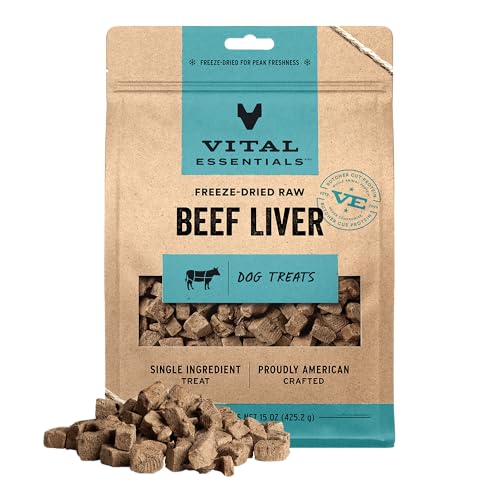


Cooked plain chicken breast — lean, high protein, zero additives. Cut into tiny cubes for training use. Highly effective and costs a fraction of commercial treats.
Natural sausage-style dog treats — many specialist natural pet food brands produce small training sausages formulated for dogs with appropriate fat and sodium levels. These satisfy the “smelly meat” motivation without processed meat risks.
We cover the best natural training treat options in our Training Treats section — all independently reviewed with appropriate sodium and fat levels for regular training use.
The Bottom Line
Hot dogs are not acutely toxic to dogs — a tiny stolen piece is not an emergency. But they are a genuinely poor food for dogs: high in sodium, high in fat, packed with preservatives and frequently containing garlic and onion powder that are toxic to dogs. There is no scenario in which hot dogs represent a good dietary choice for a dog, and the training treat use case is better served by any number of safer alternatives.
Keep hot dogs for the humans at the barbecue. Your dog deserves better — and there are plenty of natural treats that will motivate them just as effectively.
Frequently Asked Questions
Can dogs eat hot dogs? A small plain piece occasionally is unlikely to cause serious harm in a healthy adult dog — but hot dogs are not appropriate as a deliberate treat. High sodium, high fat, nitrates, and frequently garlic and onion powder make them a poor choice for dogs.
Are hot dogs toxic to dogs? Not acutely toxic in the way grapes or xylitol are. However, garlic and onion powder — present in most commercial hot dogs — are toxic to dogs. Check every ingredient list.
Can dogs eat hot dogs as training treats? Some trainers use tiny pieces of plain hot dog as high-value treats. If used, pieces must be tiny, plain varieties only (no garlic or onion), and alternated with safer alternatives. It is not the recommended approach.
My dog ate a whole hot dog — what should I do? Contact your vet for guidance. Provide plenty of fresh water and monitor for vomiting, lethargy, abdominal pain, and excessive thirst. Check whether the hot dog contained garlic or onion powder.
Are plant-based hot dogs safer for dogs? Not automatically — many contain xylitol, which is highly toxic to dogs. Always check the full ingredient list before allowing a dog near any plant-based hot dog product.
Can puppies eat hot dogs? No — puppies are more susceptible to sodium overload and digestive disruption from processed meat. Keep hot dogs away from puppies entirely.
Sources:
- Veterinary Medical Center of Easton — most hot dog varieties are packed with sodium, fillers, and preservatives not well-suited for dogs; regular use introduces repeated sodium, fat, and preservative exposure (vmceaston.com): https://vmceaston.com/blog/can-dogs-eat-hot-dogs/
- Cornell University College of Veterinary Medicine — pancreatitis is one of the most common gastrointestinal emergencies in dogs; high-fat dietary exposure is a leading cause (vet.cornell.edu)
- ASPCA Animal Poison Control Center — garlic and onion (allium family) classified as toxic to dogs; causes oxidative damage to red blood cells and haemolytic anaemia (aspca.org)
- Merck Veterinary Manual — sodium ion poisoning documented as a serious and potentially fatal condition in dogs; symptoms include tremors, seizures, and neurological impairment (merckvetmanual.com)
- USDA FoodData Central — nutritional composition data for standard beef hot dogs including sodium, fat, and calorie content (fdc.nal.usda.gov)
- American Kennel Club — nitrates in processed meats including hot dogs have been linked to cancer in dogs over time (akc.org)
For safe, natural high-value training treat alternatives, browse our Training Treats section — or head to our full Can Dogs Eat series for more guides on safe and unsafe foods for dogs.