
Many pet owners search for guidance on Dogs And Marrow Bones, especially when looking for safe chewing options that keep their dogs entertained. Marrow bones can be tempting because they’re flavorful, long‑lasting, and mentally stimulating, but they also come with important safety considerations. Understanding the benefits and risks of Dogs And Marrow Bones helps you make informed choices that protect your dog’s teeth, digestion, and overall health.
Marrow bones have become increasingly popular among dog owners seeking natural, long-lasting chews for their pets. These nutrient-dense bones offer far more than simple entertainment—they represent a bridge between dogs’ ancestral diets and modern nutritional science. Whether you’re a seasoned dog parent or new to the world of canine enrichment, understanding the appeal and benefits of marrow bones can help you make informed decisions about your dog’s health and happiness.
Disclosure: This post contains affiliate links. As an Amazon Associate, we earn from qualifying purchases at no additional cost to you.
Table of Contents
Dogs have an inherent drive to chew, a behavior rooted in their evolutionary past as hunters and scavengers. Marrow bones satisfy this primal instinct while delivering genuine nutritional value that supports overall wellness. The rich marrow inside these bones contains essential fatty acids, minerals, and proteins that contribute to healthy skin, coat, joints, and cognitive function. Beyond nutrition, marrow bones provide mental stimulation and physical exercise that modern indoor dogs often lack.
However, not all marrow bones are created equal, and providing them safely requires knowledge about selection, preparation, and monitoring. This comprehensive guide explores everything you need to know about giving your dog marrow bones—from understanding why they’re so appealing to your canine companion, to evaluating potential risks and learning how to choose the highest-quality options available. We’ll also discuss alternatives and complementary chews that can round out your dog’s enrichment routine.
Why Dogs Love Marrow Bones
The Nutritional Appeal
Dogs are drawn to marrow bones for compelling biological reasons rooted in nutrition and instinct. The marrow itself is an exceptionally nutrient-dense food source that appeals to dogs’ natural preferences for fat-rich foods. Bone marrow contains high concentrations of fat and protein, making it an energy-dense treat that satisfies dogs’ evolutionary need for calorie-rich nutrition.
“Bone marrow is one of nature’s most nutrient-dense foods, packed with minerals like phosphorus, calcium, and magnesium that support canine bone health and immune function,” according to veterinary nutritionists studying raw feeding practices.
The flavor profile of marrow bones is intensely appealing to dogs. The rich, savory taste stimulates their taste receptors and triggers a strong reward response in their brains. This sensory experience explains why dogs often become excited at the sight of a marrow bone and will work persistently to extract every bit of marrow from the bone cavity. The nutritional density means that even small amounts of marrow provide substantial caloric and nutrient value, making these bones particularly satisfying compared to many commercial dog treats.
Instinctual Chewing Behavior
Beyond nutrition, marrow bones tap into deeply ingrained canine behaviors. Dogs are obligate chewers, meaning they have an innate biological drive to chew that goes beyond eating. This behavior serves multiple purposes in their evolutionary context—from maintaining dental health to stress relief and territory marking. When dogs encounter a marrow bone, they’re responding to millions of years of evolutionary programming that associates bone chewing with survival and well-being.
The resistance and texture of a marrow bone provides the tactile feedback that dogs instinctively seek. The act of gnawing, licking, and working to extract marrow engages multiple sensory systems and keeps dogs mentally engaged. This type of purposeful chewing activity is fundamentally different from passive consumption of softer treats. Dogs derive psychological satisfaction from the effort required to work with a marrow bone, which explains why they often prefer them to easier-to-consume alternatives.
Health Benefits of Marrow Bones for Dogs
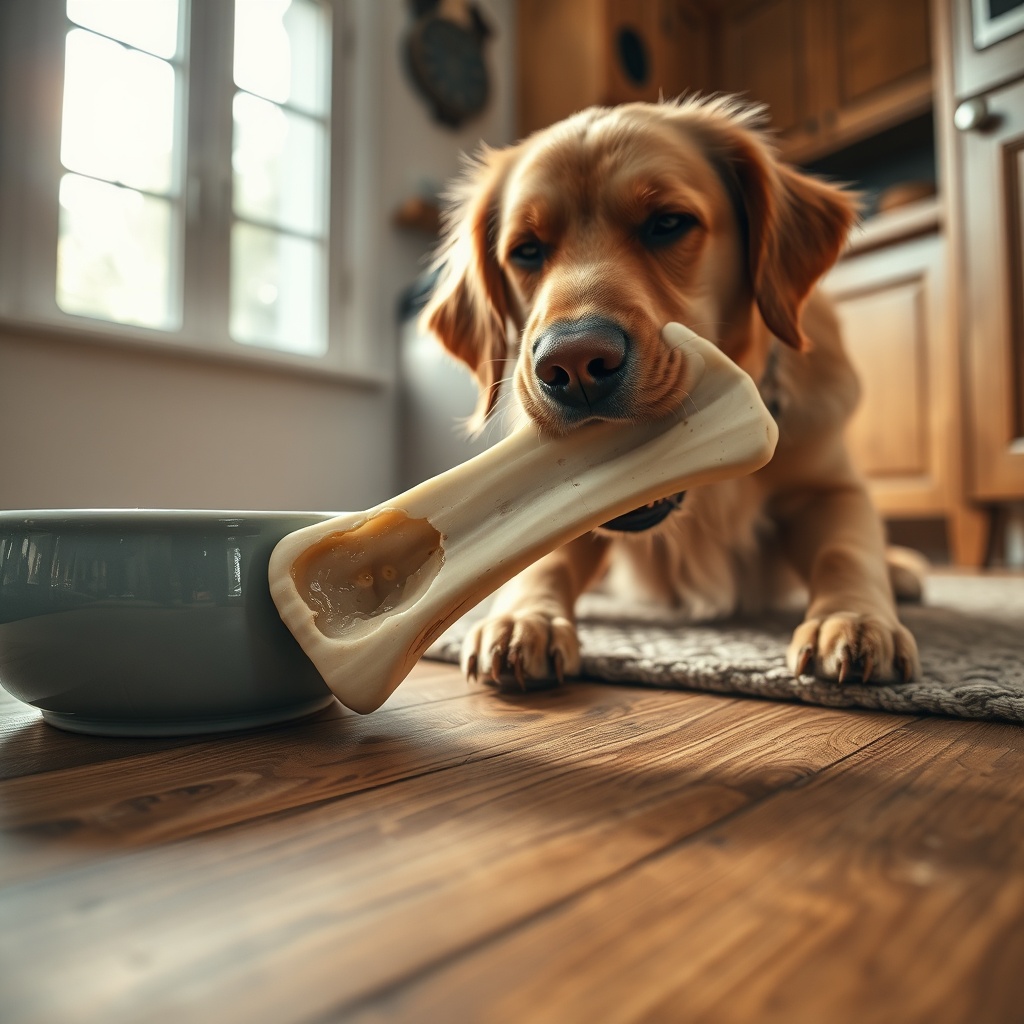
Dental Health and Jaw Strength
One of the most significant benefits of marrow bones is their positive impact on dental hygiene. The mechanical action of chewing and gnawing on bones naturally scrapes away plaque and tartar buildup from tooth surfaces. This abrasive action helps maintain cleaner teeth and healthier gums without requiring professional dental cleanings as frequently. The strengthening of jaw muscles that occurs through regular bone chewing also supports better bite force and overall oral function as dogs age.
Dogs that regularly chew on appropriate bones tend to have fresher breath and fewer dental problems compared to those without access to natural chewing materials. The stimulation of saliva production during prolonged chewing also contributes to natural antibacterial defense in the mouth, creating an environment less favorable to harmful bacteria.
Nutritional Content and Bone Health
Marrow bones provide a comprehensive nutritional profile that supports multiple body systems. The following table outlines the key nutritional components found in bone marrow and their benefits for canine health:
| Nutrient | Amount per 100g | Primary Benefits |
|---|---|---|
| Fat | 80-90g | Energy source, skin and coat health, hormone production |
| Protein | 6-8g | Muscle maintenance, immune function, tissue repair |
| Calcium | 200-300mg | Bone density, nerve transmission, muscle contraction |
| Phosphorus | 150-250mg | Bone mineralization, energy metabolism, cellular function |
| Iron | 2-3mg | Oxygen transport, energy production, immune support |
| Collagen | Variable | Joint health, skin elasticity, digestive support |
| Glucosamine | Trace amounts | Joint cartilage support, mobility, anti-inflammatory effects |
“The bioavailability of nutrients from whole bone marrow is significantly higher than from processed supplements, meaning dogs’ bodies can absorb and utilize these nutrients more effectively,” veterinary nutritionists note when comparing natural bone sources to manufactured alternatives.
Mental Stimulation and Enrichment
Cognitive engagement is a critical but often overlooked aspect of canine wellness. Marrow bones provide extended mental stimulation that occupies dogs’ attention and problem-solving abilities. The challenge of extracting marrow from bone cavities engages dogs’ minds in ways that passive treat consumption cannot match. This enrichment activity reduces boredom-related behaviors such as destructive chewing, excessive barking, and anxiety.
Dogs that receive regular mental stimulation through activities like marrow bone chewing show improved overall behavior and emotional well-being. The concentration and focus required to work with a bone creates a calming effect similar to meditation in humans, helping anxious or high-energy dogs achieve a state of relaxation and contentment.
Safety Considerations When Giving Dogs Marrow Bones
Potential Risks and Hazards
While marrow bones offer substantial benefits, they do come with potential risks that responsible dog owners must understand and mitigate. The primary concern involves bone fragments and splinters, which can cause serious digestive complications if swallowed. Cooked bones are particularly prone to splintering, which is why raw bones are generally considered safer than their cooked counterparts. However, even raw bones can fracture or splinter under certain chewing conditions, especially in aggressive chewers.
Here are the main hazards to be aware of when offering marrow bones to your dog:
- Bone fragments causing intestinal blockages or perforations
- Choking hazards if large pieces are swallowed without adequate chewing
- Tooth fractures or damage from excessively hard bones or aggressive chewing
- Bacterial contamination from improperly sourced or stored bones
- Pancreatitis triggered by the high fat content in some dogs with sensitive digestive systems
- Constipation from excessive bone consumption or inadequate hydration
Age and Size Appropriate Guidelines
Age and size determine whether marrow bones are appropriate for your individual dog. Puppies under six months old should not receive marrow bones, as their teeth are still developing and their digestive systems are more sensitive. Young puppies lack the jaw strength to properly process bones and face higher choking risks. Senior dogs over ten years old may also need to avoid marrow bones if they have compromised teeth or digestive issues.
Size-appropriate selection is critical for safe bone consumption. Small dogs weighing under 20 pounds should receive proportionally smaller bones—ideally knuckle bones or small femur sections. Medium and large dogs can handle larger marrow bones, but even these dogs should receive bones sized appropriately to their jaw capacity. Giant breed dogs may be able to handle larger bones, but their size and strength can sometimes lead to overly aggressive chewing that increases fracture risk.
Recreational Bones For Dogs
Natural recreational bones are a healthy, instinct‑satisfying treat for dogs. They help keep teeth clean and white by naturally scraping away plaque as your dog chews. Rich in essential minerals and free from artificial additives, these bones support overall health while providing long‑lasting mental stimulation. Chewing also helps relieve stress and encourages natural behaviors, making recreational bones a wholesome and enriching addition to your dog’s routine.
Check on AmazonSigns of Problems to Watch For
Monitoring your dog after marrow bone consumption is essential for catching complications early. Behavioral changes such as lethargy, loss of appetite, or unusual restlessness may indicate digestive distress. Gastrointestinal symptoms including vomiting, diarrhea, constipation, or straining during bowel movements warrant veterinary attention, as these can signal blockages or other serious issues.
Physical indicators of problems include excessive drooling, difficulty eating other foods, bad breath, or visible tooth damage. If your dog shows any of these signs within 24-48 hours of consuming a marrow bone, contact your veterinarian promptly. Some complications develop gradually, so ongoing observation is important even days after bone consumption.
How to Choose the Best Marrow Bones for Your Dog
Types of Marrow Bones Available
Different marrow bone types offer varying benefits and safety profiles. Understanding the distinctions helps you select the most appropriate option for your dog’s age, size, and chewing habits.
| Bone Type | Source | Size | Best For | Considerations |
|---|---|---|---|---|
| Femur Bones | Beef leg bones | Large (4-6 inches) | Large and giant breeds | Long-lasting, requires strong chewers, monitor for fractures |
| Knuckle Bones | Beef joint bones | Small-medium (2-3 inches) | Small to medium dogs | Softer marrow, easier access, shorter chewing duration |
| Marrow Bones (cut) | Beef leg bones (crosscut) | Medium (3-4 inches) | Most dogs | Accessible marrow, appropriate thickness, good for beginners |
| Soup Bones | Beef leg bones | Large (4-5 inches) | Medium to large breeds | Minimal marrow, more bone than marrow, longer lasting |
| Lamb Bones | Lamb leg bones | Small-medium (2-3 inches) | Small to medium dogs | Leaner marrow, digestible, good alternative for beef-sensitive dogs |
Quality and Sourcing Standards
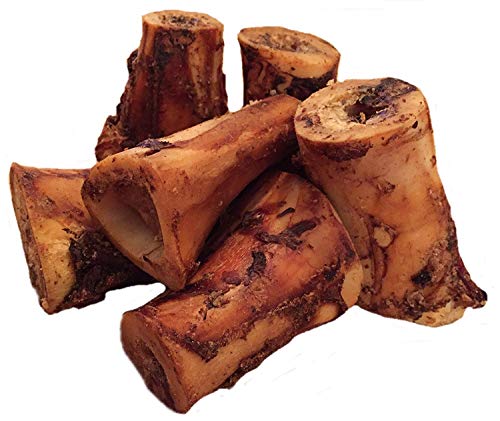
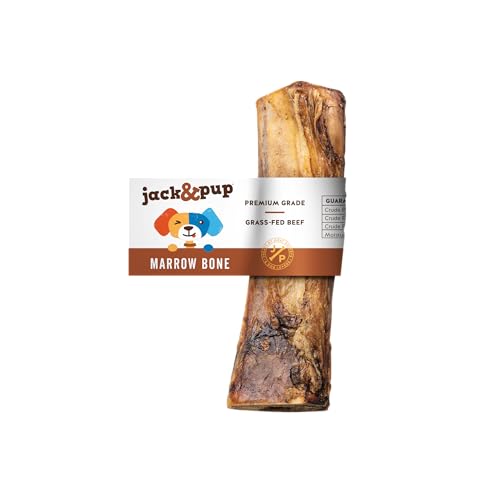
The source and quality of your marrow bones directly impact safety and nutritional value. High-quality bones come from grass-fed or pasture-raised animals whenever possible, as these sources typically have fewer antibiotic residues and better overall nutritional profiles. Reputable suppliers like Local Harvest, ButcherBox, or your local butcher shop can provide bones from known sources with transparent sourcing practices.
“The safest marrow bones come from animals raised without routine antibiotics or hormones, properly handled to prevent bacterial contamination, and ideally frozen immediately after processing,” according to veterinary food safety guidelines.
Avoid bones from processed meat facilities or those that have been treated with preservatives or chemical coatings. Raw, uncooked bones are generally safer than cooked alternatives, as cooking can cause brittleness and splintering. Always verify that bones have been handled according to food safety standards and stored at appropriate temperatures.


Storage and Preparation Tips
Proper storage and preparation extend the safety and shelf life of marrow bones. Follow these guidelines for optimal results:
- Store frozen marrow bones at 0°F or below, where they remain safe for 3-6 months
- Thaw bones in the refrigerator for 24 hours before offering to your dog, never at room temperature
- Inspect bones for cracks, discoloration, or off-odors before serving
- Offer bones on washable surfaces like tile or outdoor areas to contain mess
- Limit chewing sessions to 15-20 minutes for most dogs to prevent excessive wear
- Remove bones if your dog has chewed them into small, potentially dangerous pieces
Alternatives and Complementary Chews
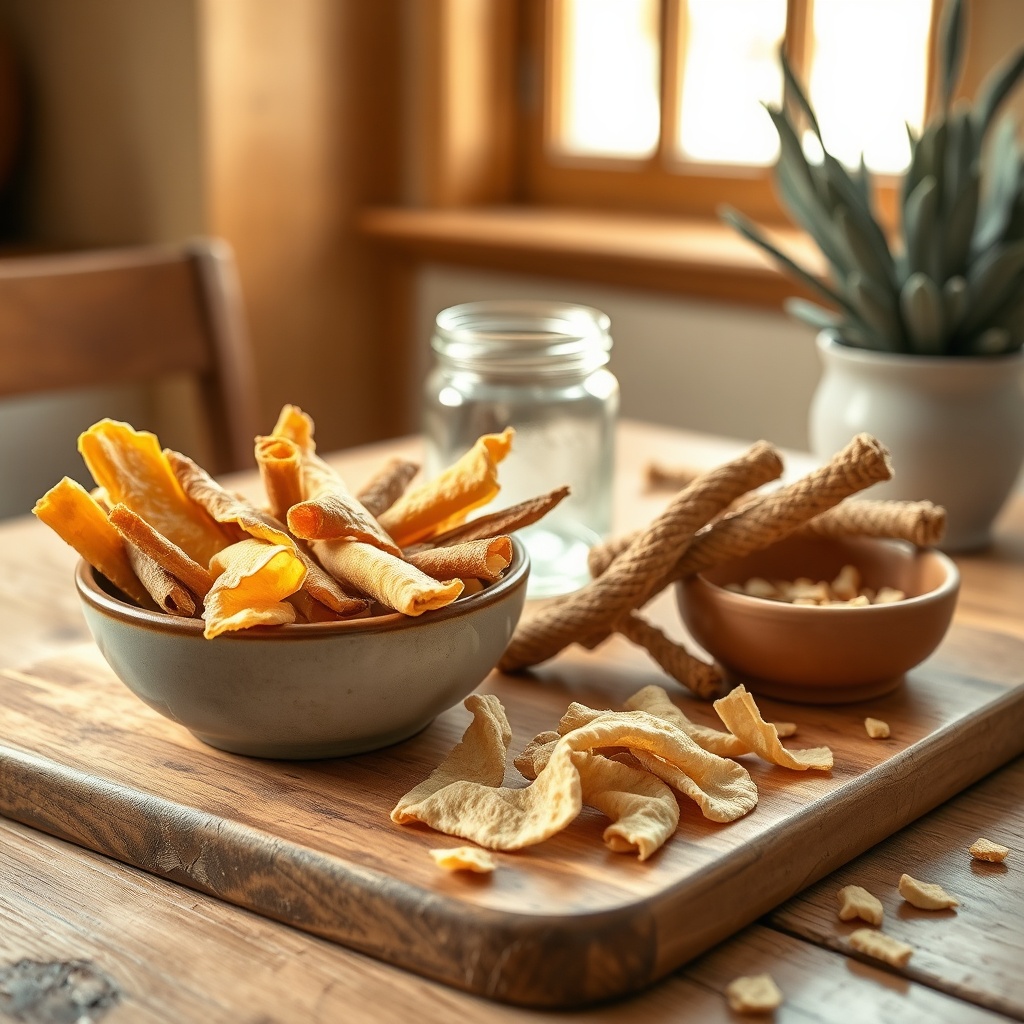
While marrow bones offer excellent enrichment, diversifying your dog’s chewing options prevents boredom and reduces the risk of overuse injuries or digestive upset from excessive bone consumption. Safe alternatives include raw meaty bones like chicken necks or turkey necks, which provide similar benefits with smaller portions and easier digestion for some dogs.
Yak cheese chews (also called Himalayan dog chews) provide long-lasting engagement without bone-related risks, making them ideal for dogs prone to digestive issues or those with compromised teeth. Antlers and horns from deer, elk, or moose offer natural chewing materials, though they’re harder than bones and carry tooth fracture risks for aggressive chewers. Bully sticks and pizzles (dried animal products) provide protein-rich chewing without bone hazards, though they’re less nutrient-dense than marrow bones.
Rubber and silicone chew toys filled with treats or frozen treats offer interactive enrichment that engages problem-solving abilities. Edible chews like sweet potato chews or dehydrated meat treats provide variety without the risks associated with bones. Rope toys and puzzle toys offer mental stimulation through different mechanisms, helping create a well-rounded enrichment program.
The ideal approach combines multiple chew types based on your dog’s preferences, digestive tolerance, and chewing intensity. Rotating between marrow bones, alternative chews, and interactive toys prevents habituation while distributing the wear and tear across different materials and jaw engagement patterns. This variety also allows you to observe which options your individual dog tolerates best and enjoys most.
Conclusion
Marrow bones represent a valuable addition to most dogs’ enrichment and nutrition routines when selected, prepared, and offered responsibly. The combination of nutritional density, natural enrichment appeal, and oral health benefits makes them an attractive option for conscientious dog owners seeking to enhance their pets’ quality of life. However, success with marrow bones depends on understanding your individual dog’s needs, age, size, and chewing tendencies.
The key to safely incorporating marrow bones into your dog’s diet lies in informed decision-making and consistent monitoring. Choosing high-quality bones from reputable sources, offering them in appropriate portions, and watching for any signs of digestive distress ensures that your dog reaps the benefits while minimizing risks. Remember that marrow bones work best as part of a diversified enrichment strategy that includes alternative chews, interactive toys, and mental stimulation activities.
As with any dietary addition, consulting with your veterinarian before introducing marrow bones—especially for puppies, senior dogs, or those with existing health conditions—provides personalized guidance tailored to your dog’s specific circumstances. With proper precautions in place, marrow bones can become a beloved part of your dog’s routine, providing hours of engagement and supporting their physical and mental well-being for years to come.
Frequently Asked Questions
How often can I give my dog marrow bones?
Most healthy adult dogs can safely enjoy marrow bones 2-3 times per week, with chewing sessions limited to 15-20 minutes each. Puppies and senior dogs should receive them less frequently or not at all, depending on age and health status. Overfeeding marrow bones can lead to digestive upset, pancreatitis, or nutritional imbalances from excessive fat intake. Monitor your dog’s weight and digestive health, and adjust frequency based on individual tolerance. If your dog shows signs of digestive distress, reduce frequency or discontinue use temporarily.
Can I give my dog cooked marrow bones?
Cooked marrow bones are generally not recommended and carry significantly higher risks than raw bones. Cooking causes bones to become brittle and prone to splintering, which dramatically increases the danger of bone fragments causing intestinal blockages, perforations, or choking hazards. Raw, uncooked bones remain more pliable and are less likely to splinter dangerously. Always offer raw marrow bones rather than cooked versions, and never give your dog bones from your dinner table or cooked meat preparations.
What should I do if my dog swallows a bone fragment?
If you suspect your dog has swallowed a significant bone fragment, monitor closely for the next 48-72 hours for signs of distress including vomiting, loss of appetite, lethargy, constipation, or abdominal pain. Many small bone fragments pass through the digestive system without incident, but larger pieces can cause serious complications. Contact your veterinarian immediately if your dog shows any of these warning signs, as some blockages require emergency surgical intervention. Don’t wait—prompt veterinary attention can prevent life-threatening complications.
Are marrow bones safe for dogs with pancreatitis?
Dogs with a history of pancreatitis should generally avoid marrow bones due to their high fat content, which can trigger pancreatitis flare-ups. The rich marrow is particularly problematic for dogs with sensitive digestive systems or those prone to inflammatory conditions. If your dog has pancreatitis, consult your veterinarian about appropriate chewing options and treat selections. Low-fat alternatives like raw meaty bones with minimal marrow, rubber chew toys, or other enrichment options may be safer choices for managing enrichment without triggering health issues.
How do I know if a marrow bone is safe and fresh?
Inspect marrow bones before offering them to your dog by checking for cracks, discoloration, or off-odors that indicate spoilage or contamination. Fresh raw bones should have a pale or slightly pink marrow color and smell neutral or slightly meaty—not sour or rancid. Bones should be stored frozen until use and thawed in the refrigerator rather than at room temperature. Purchase from reputable sources like local butchers or specialized pet food suppliers who can verify proper sourcing and handling. When in doubt, ask your supplier about the bone’s origin and processing methods before purchase.