
Finding Good Training Treats For Dogs can make a huge difference in how quickly and confidently your dog learns new skills. The right treats keep your dog motivated, focused, and excited to participate, whether you’re working on basic obedience or advanced tricks. Understanding what makes a treat effective — from size and texture to ingredients and calorie count — helps you choose rewards that support healthy, successful training sessions.
For any training class, you’ll get the best results with tiny, soft, low-calorie treats that deliver fast reinforcement without overfeeding. Choose options like Buddy Biscuits Trainers (about 1.5 calories each), Pupford Freeze Dried Beef Liver (single-ingredient, ultra low-cal), or Fruitables Skinny Minis (under 4 calories, wheat/corn/soy-free) for frequent rewards. Prioritize strong natural aroma, consistent bite size, and resealable packaging to keep treats fresh and motivating. Keep going to compare top picks and what to look for.
Key Takeaways
- Choose small, soft, uniform treats that your dog can chew and swallow fast for immediate reinforcement during class.
- Prioritize low-calorie options (about 1.5–4 calories each) so you can reward often without overfeeding.
- Pick highly palatable, aromatic treats (bacon, beef, liver) to keep focus in distracting training environments.
- Favor simple, high-quality ingredients with no artificial colors, flavors, or fillers, and consider limited-ingredient options for allergies.
- Use resealable, mess-free packaging that keeps treats fresh, non-greasy, and easy to deliver quickly from your pocket.
| Buddy Biscuits Trainers Bacon Soft & Chewy Treats 10oz | 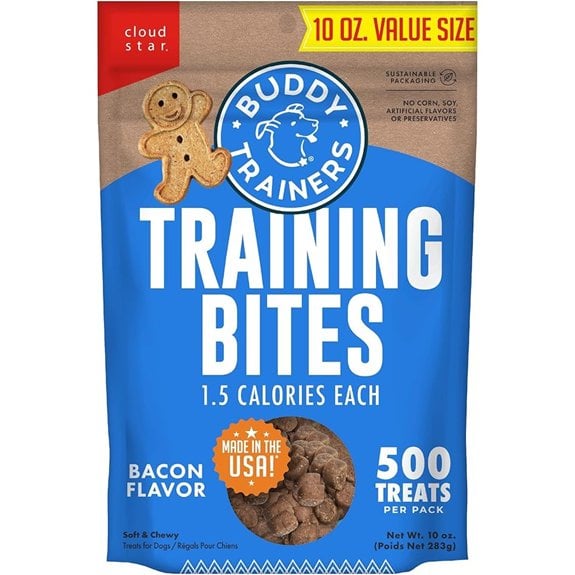 | Best Low-Calorie Pick | Treat texture: Soft & chewy | Primary flavor/protein: Bacon / pork liver | Calorie level: 1.5 cal/treat | VIEW LATEST PRICE | Read Our Analysis |
| Fruitables Skinny Mini Pumpkin Dog Treats (5oz) | 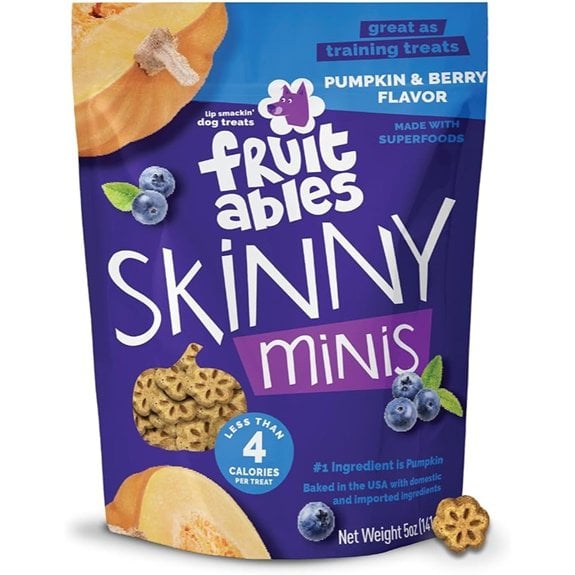 | Best for Sensitive Stomachs | Treat texture: Soft & chewy | Primary flavor/protein: Pumpkin (fruit/veg-based) | Calorie level: <4 cal/treat | VIEW LATEST PRICE | Read Our Analysis |
| Full Moon All Natural Beef Dog Treats 14oz | 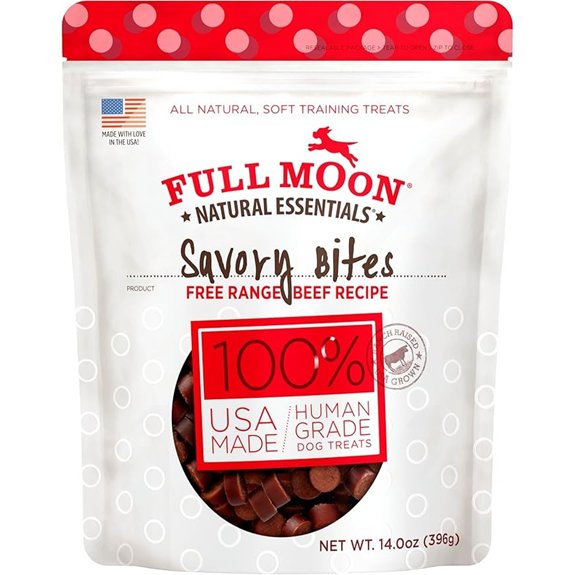 | Best Human-Grade Option | Treat texture: Slow-cooked chewy bites | Primary flavor/protein: Beef | Calorie level: Not stated | VIEW LATEST PRICE | Read Our Analysis |
| Blue Buffalo Bits Soft Dog Training Treats Beef Recipe | 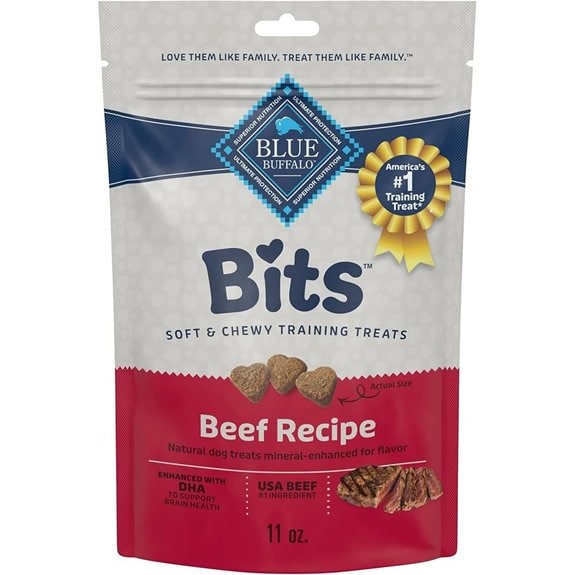 | Best for Puppies | Treat texture: Soft & moist | Primary flavor/protein: Beef | Calorie level: Not stated | VIEW LATEST PRICE | Read Our Analysis |
| Pupford Freeze Dried Beef Liver Training Treats (4 oz) | 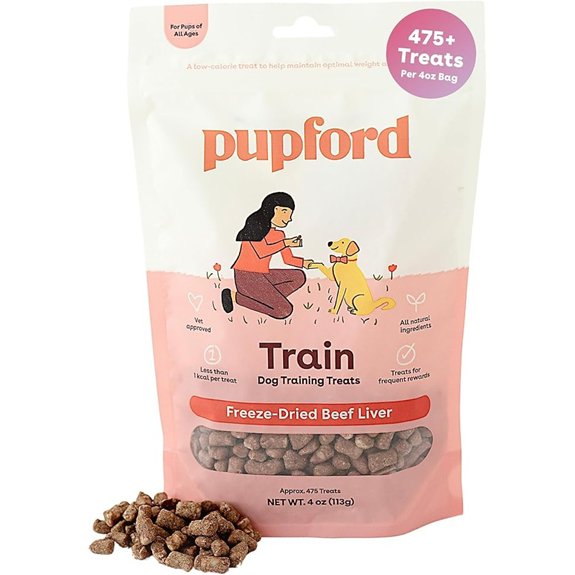 | Best Single-Ingredient | Treat texture: Freeze-dried (dry) | Primary flavor/protein: Beef liver | Calorie level: Ultra low-cal (exact not stated) | VIEW LATEST PRICE | Read Our Analysis |
| Zuke`s Mini Naturals Dog Treat Peanut Butter 1lb | 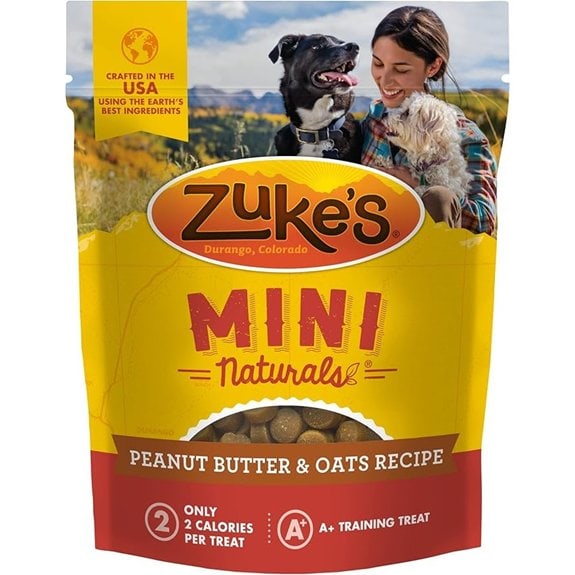 | Best Value Bag | Treat texture: Tender bites | Primary flavor/protein: Peanut butter | Calorie level: ~2 cal/treat | VIEW LATEST PRICE | Read Our Analysis |
More Details on Our Top Picks
Buddy Biscuits Trainers Bacon Soft & Chewy Treats 10oz
If you’re training often, this is a top low-calorie pick at just 1.5 calories per treat. You can deliver frequent reinforcement without overfeeding, which helps keep motivation high and weight steady. Each 10 oz bag packs about 500 soft, chewy bites, so you can reward rapid reps in class or at home. You’ll get natural pork liver as the base, plus natural bacon flavor and peanut butter for strong palatability. You avoid artificial flavors, corn, and soy, supporting sensitive dogs. Made in the USA, these fit any breed and life stage.
- Treat texture:Soft & chewy
- Primary flavor/protein:Bacon / pork liver
- Calorie level:1.5 cal/treat
- Grain/corn/soy free:Corn- & soy-free
- Life stage:All life stages
- Package size:10 oz
- Additional Feature:Natural pork liver base
- Additional Feature:Baked in USA
- Additional Feature:~500 treats per bag
Fruitables Skinny Mini Pumpkin Dog Treats (5oz)
Fruitables Skinny Mini Pumpkin Treats keep training sessions light on calories and gentle on sensitive stomachs. With fewer than 4 calories per piece, you can reinforce sits, recalls, and leash skills at a high rate without derailing weight goals—a key driver of consistent learning.
You’ll also like the ingredient profile: real pumpkin supports digestion, while blueberries add antioxidant support. The recipe skips wheat, corn, and soy, so it’s a smart pick if your dog’s itchy or food-sensitive. Soft, chewy, bite-sized pieces work for puppies through seniors and reduce chewing time between reps. Made in the USA in a handy 5oz bag.
- Treat texture:Soft & chewy
- Primary flavor/protein:Pumpkin (fruit/veg-based)
- Calorie level:<4 cal/treat
- Grain/corn/soy free:Wheat-, corn-, & soy-free
- Life stage:All life stages (puppy-friendly)
- Package size:5 oz
- Additional Feature:Pumpkin supports digestion
- Additional Feature:Blueberry antioxidant blend
- Additional Feature:Superfoods infused recipe
Full Moon All Natural Beef Dog Treats 14oz
Full Moon Essential Beef Savory Bites suit training dogs who thrive on a human-grade option. You get USA-made treats cooked in trusted kitchens with USDA-approved, free-range beef, plus cassava root, celery, and rosemary extract. Because they skip glycerin, grains, corn, wheat, soy, and artificial colors or preservatives, you can reinforce behaviors without stacking unnecessary additives. The stick shape makes fast delivery easy, which tightens timing and strengthens learning. Use tiny pieces for high-rate reps, then reserve whole sticks for jackpot rewards. Strong reviews (4.7/5) suggest dogs stay motivated across sessions.
- Treat texture:Slow-cooked chewy bites
- Primary flavor/protein:Beef
- Calorie level:Not stated
- Grain/corn/soy free:Grain-, corn-, wheat-, & soy-free
- Life stage:All life stages
- Package size:14 oz
- Additional Feature:Human-grade USDA beef
- Additional Feature:Slow-cooked small batches
- Additional Feature:No glycerin or fillers
Blue Buffalo Bits Soft Dog Training Treats Beef Recipe
Blue Buffalo Bits Beef Recipe fits puppy training because real beef leads every soft, bite-sized treat. You can deliver rapid reinforcement without filling your dog up, and the soft, moist texture keeps chewing time short, so you maintain training rhythm. The added DHA supports brain development and learning, which matters most during early skill-building and can benefit seniors, too. You’ll avoid common fillers and additives: no corn, wheat, soy, chicken or poultry by-products, Propylene Glycol, or artificial colors like Red Dye 40. The resealable 11-ounce bag stays fresh between sessions.
- Treat texture:Soft & moist
- Primary flavor/protein:Beef
- Calorie level:Not stated
- Grain/corn/soy free:Corn-, wheat-, & soy-free
- Life stage:All life stages
- Package size:11 oz
- Additional Feature:DHA cognitive support
- Additional Feature:Heart-shaped bite size
- Additional Feature:No poultry by-products
Pupford Freeze Dried Beef Liver Training Treats (4 oz)
If you want clean, motivating rewards, Pupford Freeze Dried Beef Liver fits as a top single-ingredient option. You’re reinforcing behavior with beef liver only—no fillers, oils, or mystery extras—so you can better control variables when you’re shaping cues or troubleshooting reactivity. The bites are small, light, and ultra low calorie, which supports high-rate reinforcement without blowing your dog’s daily energy budget. High protein and simple ingredients also suit many sensitive stomachs and limited-ingredient plans. You get 475+ treats in a pocket-friendly pouch that stays dry and mess-free during walks or class.
- Treat texture:Freeze-dried (dry)
- Primary flavor/protein:Beef liver
- Calorie level:Ultra low-cal (exact not stated)
- Grain/corn/soy free:No fillers (grain-free implied)
- Life stage:All life stages
- Package size:4 oz
- Additional Feature:Freeze-dried beef liver
- Additional Feature:Three-ingredient recipe
- Additional Feature:No greasy residue
Zuke`s Mini Naturals Dog Treat Peanut Butter 1lb
Zuke’s Mini Naturals Peanut Butter 1lb gives you a high-value bag for frequent training rewards. Each tender bite is about 2 calories, so you can reinforce sits, recalls, and loose-leash steps without overfeeding. Real peanut butter, oats, and cherries boost palatability, helping you keep motivation high during class, hikes, or busy environments. You won’t add corn, wheat, soy, artificial colors, or flavors, which supports simpler ingredient control for many dogs. The resealable pouch keeps treats fresh in your pocket. Follow the guideline: up to three treats per pound daily.
- Treat texture:Tender bites
- Primary flavor/protein:Peanut butter
- Calorie level:~2 cal/treat
- Grain/corn/soy free:Corn-, wheat-, & soy-free
- Life stage:All life stages
- Package size:1 lb (16 oz)
- Additional Feature:Includes vitamins/minerals
- Additional Feature:Resealable trail pouch
- Additional Feature:Feeding limit guidance
Factors to Consider When Choosing Good Training Treats for Dogs to Have With You in Class
When you’re choosing training treats to bring to class, you’ll get better learning and cleaner reinforcement if you match treat size and shape to rapid delivery and check the calorie count per treat to protect your dog’s daily energy budget. You’ll also want enough aroma and palatability to compete with distractions, plus a texture that allows quick chews so you can mark and reward on time. Finally, pick treats made under clear ingredient quality standards so you’re rewarding often without compromising nutrition.
Treat Size And Shape
Because dogs learn fastest with immediate reinforcement, you’ll want training treats that your dog can chew and swallow in a second or two—think small, bite-sized pieces in consistent shapes like flat discs or tiny cubes. Small rewards keep the behavior-reward link tight and prevent long chewing breaks that derail attention.
Choose soft treats so your dog doesn’t need extra jaw work; faster swallowing means you can mark and reinforce the next repetition quickly. Uniform shapes also support consistent portioning, which matters when you deliver dozens of reinforcers in a class. Match size to your dog: toy breeds need pea-sized bits they can manage safely, while larger dogs can take slightly bigger pieces without crumbling. Avoid bulky, irregular chunks that slow eating or scatter crumbs and distract.
Calorie Count Per Treat
How many calories hide in each “tiny” reward? In class, you might hand out dozens of reinforcers in minutes, so calorie count matters as much as timing. Choose low-calorie treats—ideally 1.5 to 2 calories per piece—to reward frequently without quietly pushing your dog into a surplus. As a general guardrail, stay under 4 calories per treat so you can keep reinforcement rates high, extend sessions, and still protect daily energy balance.
Higher-calorie bites add up fast, increasing the risk of overconsumption, weight gain, and a dog that tires sooner or loses focus. Read labels, measure your typical treat count per session, and subtract those calories from meals to keep training effective and your dog healthy.
Aroma And Palatability
Why do some treats instantly snap your dog’s attention into “work mode” while others get ignored? Aroma drives motivation because your dog’s brain prioritizes scent cues, and a treat that smells rewarding increases focus and faster responses. In class, you’ll get more reliable sits, recalls, and eye contact when the reward is genuinely palatable and releases an appealing odor.
Choose treats with natural, recognizable flavors—bacon, peanut butter, or pumpkin often carry stronger, food-like scents that dogs track easily. But don’t chase the loudest smell. If the odor is overpowering, it can distract or overwhelm sensitive noses; if it’s too faint, your dog may discount it. Aim for a balanced, appetizing aroma that stays interesting across repetitions.
Texture For Quick Chews
When you’re rewarding rapid-fire behaviors in class, your treat’s texture can make or break your timing. Choose soft, chewy pieces that your dog can bite and chew quickly, so reinforcement lands right after the correct behavior. Tender, moist treats cut down chewing time, which reduces off-task sniffing and scanning and keeps your dog engaged with you.
Aim for a consistent, pliable texture that your dog can swallow smoothly and safely between reps. If you need to deliver several rewards in a row, quick-chew treats prevent long pauses that weaken the behavior–reward connection. You’ll also streamline your training rhythm when treats require minimal effort to break apart or chew thoroughly, letting you mark, feed, and move on without disrupting momentum.
Ingredient Quality Standards
Because you’ll feed dozens of rewards in a single class, ingredient quality matters as much as palatability. Choose treats made from natural, recognizable ingredients, and skip ones with artificial flavors, colors, or preservatives. Cleaner formulas reduce unnecessary additives that can affect digestion and focus during learning.
Prioritize brands that manufacture in facilities with rigorous quality control, since consistent sourcing and handling lowers contamination risk and keeps batches predictable. Look for clear labels that name ingredients and disclose where they’re sourced; transparency lets you match treats to your standards and track what works in training. If you see certifications or claims like organic or human-grade, treat them as signals of tighter ingredient standards and, often, better nutrient integrity for frequent rewarding.
Allergy-Friendly Formulas
Even if your dog hasn’t been formally diagnosed with food allergies, choosing an allergy-friendly training treat can prevent itchy skin, GI upset, and distraction that undermine learning in class. Prioritize formulas that skip common triggers like wheat, corn, and soy, since sensitive dogs often react to these proteins or grains.
Look for limited-ingredient options that keep the ingredient list short and transparent—think pumpkin, blueberries, or single-animal proteins like beef liver—so you can quickly identify what your dog tolerates. Choose natural, preservative-free treats to reduce exposure to artificial colors, flavors, and fillers that can worsen sensitivities. Read labels every time, because recipes change, and even small additions can trigger scratching, licking, loose stool, or reduced focus during repetition and reinforcement.

Mess-Free Pocket Handling
Allergy-friendly ingredients help your dog stay comfortable and attentive, but your treat choice also has to work in your hand and your pocket during class. Pick treats that stay intact under pressure, so you can deliver fast reinforcement without fumbling. Crumb-free, low-residue pieces keep your timing tight and your dog focused, while preventing distractions like pocket digging or sniffing your hands.
Choose small, bite-sized rewards with a firm, non-oily texture. That limits greasy buildup, reduces odor transfer to clothing, and helps you keep a consistent treat size for controlled calorie intake. When treats don’t crumble, you avoid uneven portions and accidental overfeeding. Mess-free handling also means you won’t need to wipe your fingers between reps, so you can mark and reward cleanly, repetition after repetition.
Dog Treat Pouches – Perfect for Training Treats
Dog treat pouches make training easier, cleaner, and more efficient. Designed to hold training treats within quick reach, these pouches help you reward good behavior instantly. Many feature secure closures, easy‑access openings, and built‑in clips or belts, making them ideal for walks, obedience sessions, and outdoor adventures. A high‑quality treat pouch keeps your hands free and your dog focused on learning.
Check Dog Treat Pouches On AmazonResealable Freshness Packaging
When you’re training through multiple reps, how do you keep treats soft, aromatic, and reinforcing instead of turning stale halfway through class? Choose training treats in resealable freshness packaging. A tight seal slows moisture loss and limits oxygen exposure, which helps preserve texture and odor—key reinforcers that maintain response rate and focus.
When treats dry out, many dogs devalue them, and you may see latency creep up or engagement drop. Resealable pouches also reduce contamination from hands, pockets, and shared training environments, protecting palatability and nutrient quality. You’ll access rewards quickly without extra containers, so your timing stays precise. Plus, portable resealable bags make it easier to bring consistent, measured portions on walks and to every class.
Frequently Asked Questions
What Human Foods Can Safely Replace Training Treats During Class?
You can use tiny pieces of cooked chicken or turkey, lean cheese, or plain cooked egg, plus carrots or apple (no seeds). Keep bites pea-sized, low-salt, avoid grapes, raisins, onions, garlic, xylitol.
How Many Training Treats per Session Is Too Many for My Dog?
You’re giving too many treats if they exceed 10% of your dog’s daily calories, cause stomach upset, or reduce meal interest. You’ll do best with pea-sized rewards, spacing reinforcers, and logging intake.
Are Training Treats Safe for Puppies Under Eight Weeks Old?
Training treats usually aren’t safe for puppies under eight weeks unless your veterinarian approves. You should prioritize mother’s milk or formula, avoid choking hazards, and keep calories minimal. You can use tiny kibble pieces for rewards.
How Do I Prevent My Dog Choking on Small Treats During Rapid Rewards?
You won’t ruin training by slowing rewards; you’ll prevent choking by using pea-sized, soft treats, delivering one at a time, pausing for chewing, avoiding tosses, and choosing low-fat options your dog digests easily.
Can I Use Training Treats With Dogs on Prescription Diets?
Yes, you can, but you must clear treats with your vet. You’ll use prescription-compatible options, count calories, and adjust meals. Choose tiny, soft bites to reduce choking and keep reinforcement frequent without diet breaks.
Conclusion
When you head to class, you’ll get faster, cleaner reps if you bring small, soft, high-value treats like Buddy Biscuits Trainers, Blue Buffalo Bits, Zuke’s Minis, or Fruitables Skinny Minis. For extra motivation, rotate richer options like Full Moon beef or Pupford freeze-dried liver, but keep portions tiny to protect your dog’s calorie budget. Watch ingredient lists, breakability, and smell, and match rewards to difficulty—why settle for slow progress?