
No — corn chips are not an appropriate treat for dogs, and this applies to all varieties including plain, salted, and flavoured. Dogster’s vet-verified content is direct: dogs shouldn’t eat corn chips for several reasons — corn chips are highly processed, loaded with fat, calories, and sodium, none of which are healthy for dogs. PetMD confirms that corn chips are very high in sodium and often contain various preservatives and additives that aren’t healthy for dogs. Dial A Vet’s vet-reviewed guidance confirms that while a small piece of plain, unsalted corn chip is unlikely to harm your dog, it’s not a healthy treat.
Table of Contents
The important distinction to understand upfront: corn itself is not the issue. Plain cooked corn kernels are safe for dogs in moderation — see our Can Dogs Eat Corn Kernels? guide for the full detail. The problem is what happens when corn is processed into chips — it is fried in oil, heavily salted, and often seasoned with spice blends that can contain toxic ingredients.
Why Corn Chips Are Not Appropriate for Dogs
High Sodium Content — The Primary Concern
This is the most significant issue with corn chips for dogs. Standard plain corn chips — Fritos being the most commonly referenced variety — contain approximately 170mg of sodium per serving of 28g. The National Research Council’s guidelines recommend no more than approximately 200mg of sodium per day for a 33-pound (15kg) dog from all dietary sources combined.
This means a standard single serving of plain corn chips delivers close to a medium-sized dog’s entire daily sodium allowance — with no nutritional value in return. The Merck Veterinary Manual documents sodium ion poisoning as a serious and potentially fatal condition in dogs, with symptoms including excessive thirst, vomiting, diarrhoea, tremors, and in serious cases seizures and death.
Small breeds are disproportionately at risk. A Chihuahua’s daily sodium tolerance is dramatically lower than a Labrador’s in absolute terms — the same handful of chips that might cause mild digestive upset in a large dog can push a small dog toward meaningful sodium overload.
High Fat Content — Pancreatitis Risk
Corn chips are fried in oil — even baked varieties contain significant fat. Cornell University College of Veterinary Medicine identifies high-fat dietary exposure as a primary cause of pancreatitis, one of the most common gastrointestinal emergencies in dogs. A single serving of corn chips contains 10 grams of fat — approaching or exceeding the total daily fat requirement for smaller dogs.
Dial A Vet confirms: oils and fats in corn chips contribute to obesity and pancreatitis in dogs when given regularly. Dogs with any prior pancreatitis history, overweight dogs, or breeds with documented elevated pancreatitis susceptibility should not have corn chips under any circumstances.
Flavoured Varieties — Toxic Ingredient Risk
This is where corn chips move from “unhealthy” to “genuinely dangerous.” Dogster’s vet-verified content is explicit: several flavourings are made with seasoning mixes that include onion powder, and all parts of the onion are toxic to canines. Garlic is sometimes also used in corn chip seasoning.
The ASPCA Animal Poison Control Center classifies the entire allium family — including garlic and onion — as toxic to dogs, causing cumulative oxidative damage to red blood cells and haemolytic anaemia. Critically, dehydrated and powdered forms are more concentrated per gram than fresh vegetables — the garlic or onion powder on a corn chip may be more potent than an equivalent weight of fresh garlic or onion.
Common corn chip varieties and the toxic concerns they present:
Flavoured corn chips (cheese, BBQ, chilli, sour cream) ❌ — almost all contain onion powder, garlic powder, or both. The ASPCA toxicity classification applies. Contact your vet if your dog eats flavoured corn chips containing these ingredients.
Spicy corn chips (Flamin’ Hot, chilli varieties) ❌ — capsaicin causes significant gastrointestinal irritation in dogs regardless of the salt and garlic/onion concerns. Never.
Plain salted corn chips ❌ — not toxic, but high sodium and high fat without any nutritional benefit. Not appropriate as a deliberate treat.
Unsalted plain corn chips ⚠️ — the least problematic variety, but still fried in oil and nutritionally empty. Dial A Vet confirms a small piece is unlikely to cause serious harm, but they are not a healthy treat even in this form.


Empty Calories — No Nutritional Value
Beyond the direct health risks, corn chips simply offer dogs nothing. The nutritional value of corn as a whole food — the linoleic acid, fibre, antioxidants, and modest protein — is largely lost during the frying and processing required to make chips. What remains is refined carbohydrate, fat, and salt. Your dog gets all the calories with none of the nutritional contribution.

What Happens If a Dog Eats Corn Chips?
The appropriate response depends on what type of chips were eaten and how many:
A few plain, unsalted corn chips — healthy adult dog: Dial A Vet confirms this is unlikely to cause serious harm. Monitor for 24 hours for any digestive upset — loose stools, vomiting, or excessive thirst. Provide fresh water. No emergency action needed unless symptoms develop or the dog is small.
A significant amount of plain salted corn chips: Monitor closely for sodium-related symptoms — excessive thirst, frequent urination, vomiting, diarrhoea, lethargy. Ensure fresh water is available. Contact your vet if symptoms develop or if a small dog ate a large quantity.
Any amount of flavoured corn chips — check the label immediately: Check the full ingredient list for onion powder, garlic powder, garlic, or onion. If any allium ingredients are present, contact your vet immediately regardless of the amount. Allium toxicity is cumulative and symptoms can be delayed by three to five days — pale gums, lethargy, and rapid breathing may develop well after the meal.
A dog ate an entire bag: Contact your vet immediately. At this quantity the sodium and fat load warrants professional assessment for any dog regardless of size. The pancreatitis risk and sodium overload are both meaningful at this volume.
Any dog showing symptoms: Contact your vet immediately. Vomiting, diarrhoea, lethargy, abdominal pain, tremors, excessive thirst, or pale gums all warrant urgent assessment.
The Corn Itself Is Not the Problem
This bears repeating because it is a common source of confusion: corn the vegetable is safe for dogs. Plain cooked corn kernels provide linoleic acid, fibre, antioxidants, and modest carbohydrate energy. The AKC confirms many veterinary nutritionists agree that corn for dogs isn’t a problem and can be part of a well-balanced diet.
The problem is not the corn — it is the processing, the frying oil, the salt, and the seasoning that transform corn into a chip. A corn chip is to plain corn what a deep-fried battered onion ring is to a plain onion — same base ingredient, completely different food safety profile.
For the safe way to share corn with your dog, see our Can Dogs Eat Corn Kernels? guide.
Recreational Bones For Dogs
Natural recreational bones are a healthy, instinct‑satisfying treat for dogs. They help keep teeth clean and white by naturally scraping away plaque as your dog chews. Rich in essential minerals and free from artificial additives, these bones support overall health while providing long‑lasting mental stimulation. Chewing also helps relieve stress and encourages natural behaviors, making recreational bones a wholesome and enriching addition to your dog’s routine.
Check on AmazonBetter Crunchy Treat Alternatives
If your dog enjoys the satisfying crunch of a chip, there are dog-safe alternatives that provide the same textural experience without the sodium, oil, and toxic seasoning risk:
Raw carrot sticks — extremely low calorie, naturally crunchy, high in beta-carotene. One of the best low-effort natural treats available.
Raw cucumber slices — 95% water, essentially zero calories, satisfying crunch. See our Can Dogs Eat Cucumber? guide.
Plain air-popped popcorn — the AKC confirms unsalted, unbuttered, plain air-popped popcorn is safe for dogs in small amounts. Ensure all kernels are fully popped before offering.
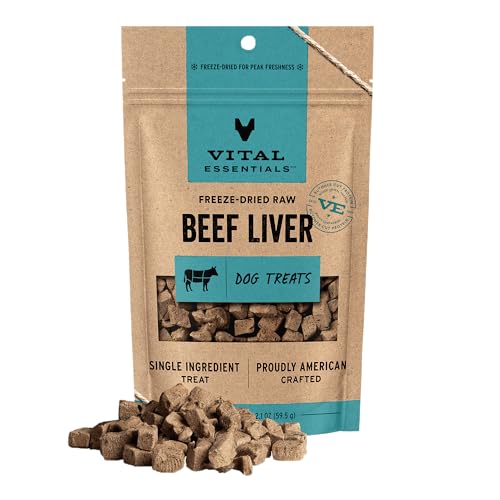
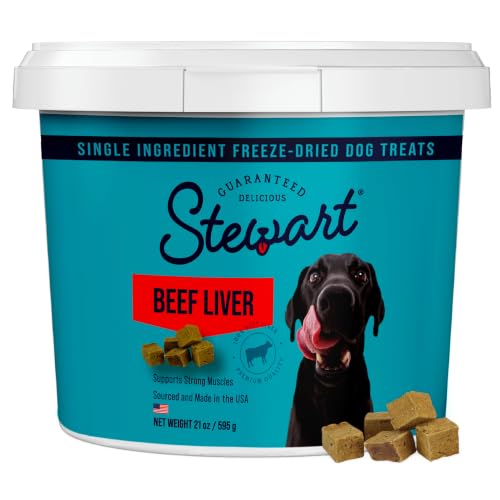
Freeze-dried meat treats — provide the satisfying crunch of a chip with genuine protein value and no harmful additives. Single ingredient, transparent sourcing.
Dehydrated vegetable treats — sweet potato, pumpkin, and other vegetable-based dehydrated treats provide crunch alongside genuine nutritional value.
Browse our Adult Dog Treats and Training Treats sections for our independently reviewed crunchy natural treat recommendations.
Frequently Asked Questions
Can dogs eat corn chips? Not recommended — corn chips are high in sodium, fat, and often contain toxic seasoning ingredients. A small piece of plain unsalted chip is unlikely to cause serious harm, but corn chips are not appropriate as a deliberate treat.
Are flavoured corn chips toxic to dogs? Many are — most flavoured corn chip varieties contain onion and/or garlic powder, both classified as toxic to dogs by the ASPCA. Contact your vet if your dog eats flavoured corn chips.
What if my dog ate a whole bag of corn chips? Contact your vet immediately. The sodium and fat load at this quantity warrants professional assessment regardless of the dog’s size.
Can dogs eat Fritos? Fritos contain corn, corn oil, and salt — not immediately toxic in tiny amounts, but the sodium content approaches a medium-sized dog’s daily limit in a single serving. Not appropriate as a treat.
What crunchy treats can I give my dog instead of corn chips? Raw carrot sticks, cucumber slices, plain air-popped popcorn, freeze-dried meat treats, and dehydrated vegetable treats are all crunchy dog-safe alternatives.
Can dogs eat plain unsalted corn chips? A very small piece is unlikely to cause serious harm in a healthy adult dog. They are still fried in oil and nutritionally empty — not a recommended treat, but not an emergency if a chip is accidentally eaten.
Sources:
- PetMD — corn chips are very high in sodium and often contain various preservatives and additives that aren’t healthy for dogs (petmd.com): https://www.petmd.com/dog/nutrition/can-dogs-eat-corn
- Dogster (vet-verified, February 2025) — dogs shouldn’t eat corn chips as they are highly processed, loaded with fat, calories, and sodium; flavoured chips contain seasoning mixes including onion powder which is toxic to dogs; garlic is sometimes also used in corn chip seasoning; plain corn chips may not be toxic if dog has one or two but are undoubtedly unhealthy (dogster.com): https://www.dogster.com/dog-nutrition/can-dogs-eat-corn-chips
- Dial A Vet (vet-reviewed) — a small piece of plain unsalted corn chip is unlikely to harm your dog but it’s not a healthy treat; flavoured chips often contain toxic ingredients like onion or garlic powder and excessive salt; regularly feeding corn chips can contribute to obesity, pancreatitis, and other health issues; contact vet immediately if flavoured chips containing onion or garlic are consumed (dialavet.com): https://www.dialavet.com/blog/can-dogs-eat-corn-chips
- ASPCA Animal Poison Control Center — garlic and onion (allium family) classified as toxic to dogs; cause cumulative oxidative damage to red blood cells and haemolytic anaemia; powdered forms are more concentrated per gram than fresh (aspca.org)
- Merck Veterinary Manual — sodium ion poisoning documented as serious and potentially fatal in dogs; symptoms include vomiting, diarrhoea, tremors, seizures, and neurological impairment (merckvetmanual.com)
For the safe way to share corn with your dog, see our Can Dogs Eat Corn Kernels? guide. For crunchy natural treat alternatives, browse our Adult Dog Treats section — or head to our full Can Dogs Eat series for more guides on safe and unsafe foods for dogs.