
Can dogs eat pineapple pieces? Yes, dogs can eat pineapple — and it’s one of the more nutritionally interesting fruits you can share with them. Safe, naturally sweet, and packed with vitamins, fibre, and a remarkable digestive enzyme called bromelain, pineapple is a genuinely useful addition to a dog’s treat rotation when served correctly. The World Small Animal Veterinary Association (WSAVA) supports the principle that treats including fruit can make up to 10% of a dog’s daily calorie intake, and pineapple fits comfortably within that framework.
Disclosure: This post contains affiliate links. As an Amazon Associate, we earn from qualifying purchases at no additional cost to you.
Table of Contents
There are a couple of preparation rules to follow — the skin, crown, and hard core must go — and the sugar content means moderation matters more here than with some other fruits. But get those right and you’ve got a tropical treat most dogs are genuinely enthusiastic about.
Here’s everything you need to know about feeding pineapple to dogs safely.
Is Pineapple Good for Dogs?
Pineapple offers a solid nutritional profile, but its standout component is something most fruits don’t have at all:
Bromelain — Pineapple’s Headline Ingredient
Bromelain is a proteolytic enzyme found in pineapple flesh and stem — meaning it actively breaks down proteins during digestion. A peer-reviewed study published in 2012 found that bromelain supports protein digestion and has anti-inflammatory properties, making it of genuine interest in veterinary nutrition.
In practical terms, bromelain may help dogs with mild digestive sensitivities by improving the breakdown of protein in the gut. Research has also explored bromelain’s potential anti-inflammatory effects — relevant for dogs with joint stiffness or soft tissue injuries. Bromelain toxicity is not a concern: studies have shown no toxic effects in dogs even at very high doses over extended periods.
It’s worth noting that the amount of bromelain in fresh pineapple flesh is modest — not enough to constitute a therapeutic dose for dogs with significant digestive or inflammatory conditions, where a veterinary-grade bromelain supplement would be more appropriate. But as part of a varied natural treat rotation, the contribution is real and welcome.
Vitamins C, B6, and Folate
Vitamin C supports immune function and acts as an antioxidant. Vitamin B6 is important for brain health, energy regulation, and hormone balance. Folate supports healthy cell production and red blood cell formation. Pineapple provides all three in useful amounts.
Manganese
Manganese supports bone development, carbohydrate metabolism, and the production of energy at a cellular level. Pineapple is one of the richer fruit sources of this mineral.
Dietary Fibre
Pineapple contains both soluble and insoluble fibre, supporting healthy digestion and regular bowel movements. The fibre content also promotes a feeling of fullness — useful for dogs who tend to beg between meals.
Antioxidants
Research has found that high antioxidant foods containing pineapple extract significantly increased immune response in puppies — suggesting that the antioxidant compounds in pineapple have measurable biological effects in dogs, not just humans.
Hydration
Like watermelon and celery, pineapple has a high water content — useful as a warm-weather treat for keeping dogs hydrated. In warmer climates particularly, fruit with high water content is a practical as well as palatable treat option.

The Preparation Rules: What to Remove
Crown and outer skin — the spiny outer skin and leafy crown are tough, indigestible, and a choking hazard. Always remove entirely before serving.
The hard inner core — the fibrous core of a pineapple is much tougher than the flesh and difficult for dogs to chew and digest. Remove it as you would when preparing pineapple for yourself.
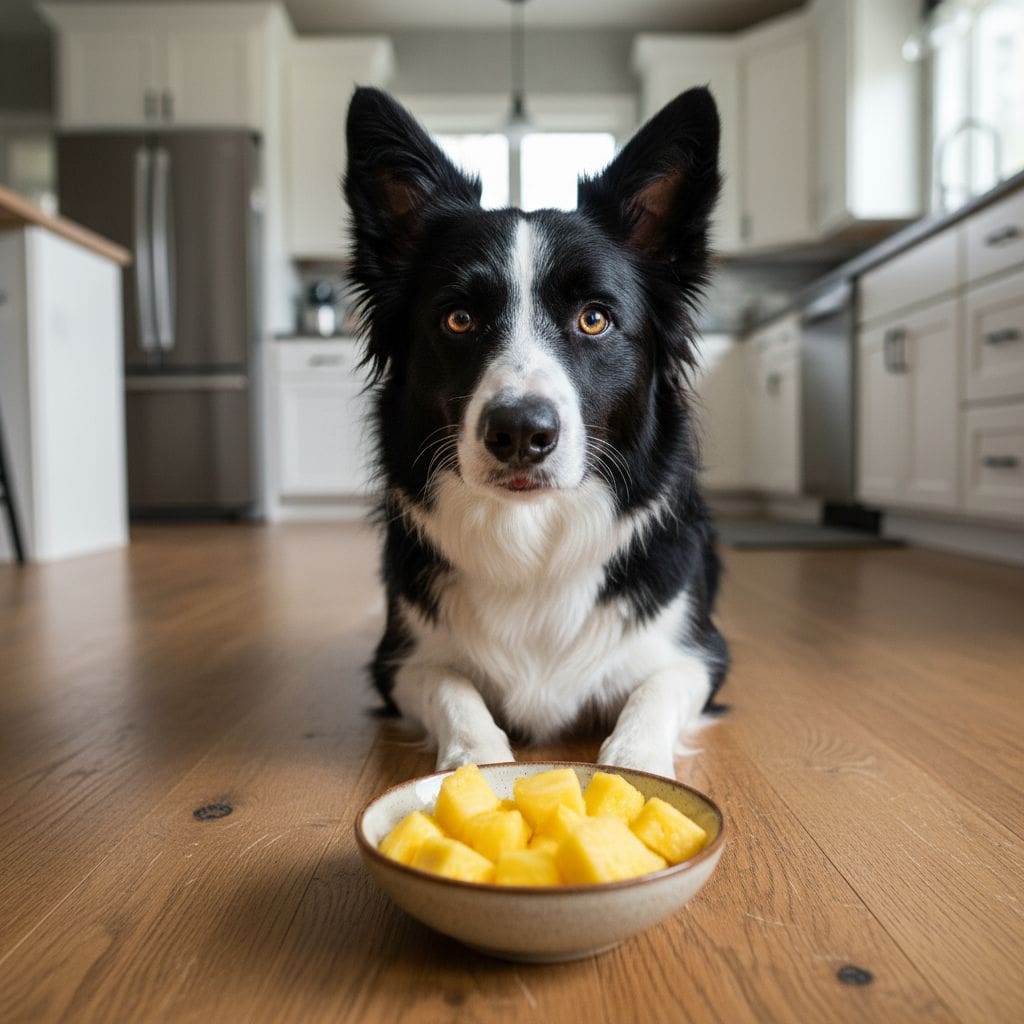
What’s left — the yellow flesh is everything your dog needs. Cut into appropriately sized cubes and serve.
How Much Pineapple Can a Dog Eat?
This is where pineapple requires a little more caution than some other fruits. Pineapple contains around 10 grams of sugar per 100 grams — higher than blueberries, strawberries, or watermelon. The WSAVA-supported 10% treat rule applies, and given the sugar content, portions should be kept on the smaller side.
A practical guide by size:
- Small dogs (under 10kg) — 1 to 2 small cubes, a few times a week
- Medium dogs (10–25kg) — 3 to 4 cubes, a few times a week
- Large dogs (over 25kg) — a small handful of cubes, a few times a week
When introducing pineapple for the first time, start with a single small piece and monitor for any digestive changes before offering more. Dogs with sensitive stomachs should be introduced to pineapple particularly gradually — the bromelain and fibre content together can cause loose stools if too much is given at once.
Can Puppies Eat Pineapple?
Yes — once fully weaned and eating solid food confidently, puppies can enjoy small amounts of fresh pineapple. Research has shown that high antioxidant foods including pineapple extract improved immune response in puppies, suggesting the nutritional benefit is real at that life stage.
Keep portions very small given puppies’ developing digestive systems, and ensure the flesh is cut into tiny pieces to eliminate any choking risk.
Can Senior Dogs Eat Pineapple?
Yes — and the bromelain content makes pineapple particularly worth considering for older dogs. Its potential anti-inflammatory properties are of interest for dogs with joint stiffness or arthritis, and the digestive enzyme support may benefit senior dogs whose digestive efficiency naturally declines with age.
If your senior dog has diabetes or is on a managed diet, check with your vet first due to the sugar content.
The Pineapple and Coprophagia Myth
No article on dogs and pineapple would be complete without addressing this one. The claim is widespread: feeding dogs pineapple will stop them eating their own faeces, because bromelain changes the smell or taste of the stool to make it unpleasant.
The honest answer is that there is no scientific evidence to support this. The PDSA’s guidance on coprophagia (the medical term for stool eating) does not list pineapple as a proven solution, and most veterinary sources are sceptical of the claim. Anecdotally, some owners report success — but it cannot be relied upon as a consistent or evidence-based approach.
If your dog has a coprophagia problem, speak to your vet about the underlying causes — which are often behavioural, nutritional, or medical — rather than relying on pineapple as a fix.
Fresh, Canned, or Frozen — What’s Best?
Fresh pineapple — always the best option. Retains all natural enzymes and nutrients, no added ingredients. Prepare as above — remove skin, crown, and core, cut into cubes, serve.
Frozen pineapple — an excellent alternative, particularly in warm weather. Cut fresh pineapple into cubes and freeze, or buy unsweetened frozen pineapple chunks. Thaw slightly before serving to soften the texture and reduce the risk of tooth discomfort from biting straight from frozen.
Canned pineapple — avoid entirely. Canned pineapple is almost always packed in syrup or juice with added sugar — levels far higher than are appropriate for dogs. The canning process also degrades bromelain significantly, eliminating one of pineapple’s key benefits. There is no good reason to use canned pineapple when fresh is readily available.
Pineapple juice — not recommended. Too concentrated in sugar, often with additives, and lacking the fibre of the whole fruit.
Dried pineapple — only if completely plain and unsweetened. The drying process concentrates sugar significantly. Check ingredient lists carefully and give sparingly.
How to Serve Pineapple to Your Dog
Fresh cubes — the simplest option. Remove skin, crown, and core, cut into appropriate pieces for your dog’s size, serve. Most dogs take to it immediately.
Frozen cubes — a brilliant warm weather treat. Prepare fresh pineapple, cut into cubes, freeze on a tray, and serve straight from the freezer. The cold sweetness is particularly appreciated on a hot day — another firm favourite in our household during the Spanish summer.
Mixed with other safe fruits — pineapple pairs well with watermelon and blueberries for a dog-friendly tropical fruit bowl. All three are safe and together offer an excellent range of antioxidants.
Blended as a food topper — blend a small amount of fresh pineapple and drizzle over your dog’s regular food for a nutritional boost. Particularly useful for dogs who need encouragement to eat.
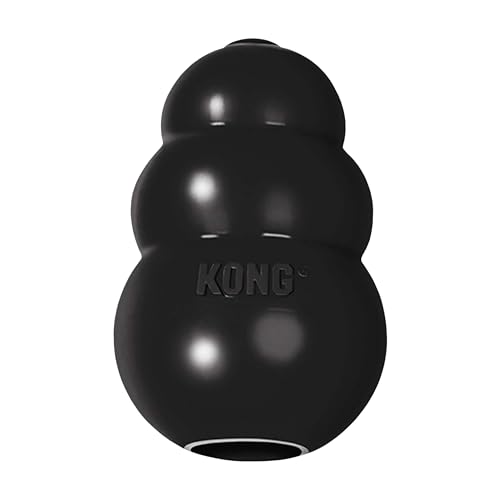
In a Kong — blend pineapple with plain unsweetened xylitol-free yoghurt, fill a Kong toy, and freeze. An enriching summer treat that keeps dogs occupied.



Signs Your Dog Has Eaten Too Much
Too much pineapple can cause digestive upset due to the sugar and fibre content. Signs to watch for include:
- Loose stools or diarrhoea
- Vomiting
- Bloating or visible abdominal discomfort
These symptoms should resolve within 24 hours without intervention. If they persist or your dog seems genuinely unwell, contact your vet.
The Bottom Line
Pineapple is a safe, nutritious, and genuinely interesting treat for most dogs — backed by real nutritional science, particularly around bromelain and its digestive and anti-inflammatory properties. Keep portions modest given the sugar content, always remove the skin, crown, and core, and stick to fresh or frozen rather than canned.
The bromelain content gives pineapple a slight nutritional edge over many other fruit treats — particularly for dogs with mild digestive sensitivities or older dogs who might benefit from natural anti-inflammatory support. It’s not a superfood and it won’t stop your dog eating poop, but as part of a varied natural treat rotation it earns its place comfortably.
Frequently Asked Questions
Can dogs eat pineapple every day? Given the sugar content — higher than most other dog-safe fruits — it’s better to offer pineapple a few times a week rather than daily. Rotate it with lower-sugar options like blueberries and celery.
Can pineapple stop dogs eating their own poop? There is no scientific evidence to support this claim. Anecdotal reports are mixed and inconsistent. If coprophagia is a problem, speak to your vet about evidence-based approaches.
Can dogs eat pineapple core? No — the core is very hard and fibrous, difficult to digest, and a potential choking hazard. Remove it before serving.
Can dogs eat pineapple skin? No — the spiny outer skin is tough, indigestible, and a choking hazard. Always remove entirely.
Can dogs be allergic to pineapple? Yes, though it’s uncommon. The bromelain enzyme itself can be a trigger in sensitive dogs. Introduce gradually and watch for itching, swelling, hives, or digestive upset. Stop immediately and contact your vet if any reaction occurs.
Is canned pineapple safe for dogs? No — canned pineapple typically contains added sugar at levels inappropriate for dogs. Always use fresh or unsweetened frozen pineapple.
Sources:
- Kostiuchenko, O. et al. (2022). Bromelain enhances digestive protein capacity and has beneficial effects on gut microbiota. Cited in veterinary nutrition literature on pineapple and canine digestion.
- World Small Animal Veterinary Association (WSAVA) — nutritional guidelines supporting the 10% treat rule for dogs (wsava.org)
- American Kennel Club — Can Dogs Eat Pineapple? (akc.org): https://www.akc.org/expert-advice/nutrition/can-dogs-eat-pineapple/
- PDSA — coprophagia guidance and safe fruit information (pdsa.org.uk): https://www.pdsa.org.uk/pet-help-and-advice/looking-after-your-pet/puppies-dogs/safe-fruit-and-veg-for-dogs
Looking for more natural treat ideas? Browse our full Can Dogs Eat series, or head to our Training Treats section for small, high-value natural reward picks your dog will love.