
The question can dogs have cottage cheese comes up often among dog owners looking for gentle, protein‑rich foods to support digestion or recovery. Cottage cheese can be a healthy option thanks to its high protein and calcium content, but not every dog tolerates dairy well. Understanding the benefits, risks, and ideal serving sizes helps you decide whether cottage cheese is a smart addition to your dog’s diet.
Yes — dogs can have cottage cheese, and it is one of the more appropriate dairy options available for dogs. Dogster’s vet-verified content confirms that cottage cheese can be a healthy addition to a dog’s diet occasionally. Dial A Vet’s vet-approved guide confirms that dogs can eat cottage cheese in moderation and it is generally considered safe. The ASPCA confirms that a small amount of cottage cheese can be safely added to a dog’s regular diet of canned and dry dog food. The AKC identifies cottage cheese as one of the safer cheese options for dogs alongside plain mozzarella — lower in lactose than many other cheeses, mild, and well-tolerated by most dogs.
Table of Contents
The consistent message across all sources is moderation, plain only, and low-fat where possible. Cottage cheese is a treat and supplement — not a meal replacement. And like all dairy, it requires a lactose intolerance check before regular use.
Why Cottage Cheese Is One of the Better Dairy Options for Dogs
Cottage cheese sits in a genuinely favourable position among dairy products for dogs for several specific reasons:
Lower Lactose Than Most Dairy
The production process for cottage cheese involves culturing milk with bacteria, which breaks down a significant proportion of the lactose. This is why cottage cheese is typically better tolerated by lactose-sensitive dogs than fresh milk, cream, or ice cream — and why it is consistently recommended over harder-to-digest dairy products. It is not lactose-free, but it is meaningfully lower in lactose than many alternatives.
Lower Fat Than Most Cheeses
Compared to cheddar, brie, cream cheese, or most other cheeses, cottage cheese is relatively low in fat — particularly low-fat and non-fat varieties. This reduces the pancreatitis risk that makes high-fat cheeses problematic for susceptible dogs. Cornell University College of Veterinary Medicine identifies high-fat dietary exposure as a primary cause of pancreatitis, one of the most common gastrointestinal emergencies in dogs. Cottage cheese’s lower fat profile makes it a more appropriate dairy option for most dogs than full-fat hard cheeses.

Good Source of Protein
Cottage cheese is protein-dense — containing approximately 11 grams of protein per 100g. The protein supports muscle maintenance and repair. Dogster confirms cottage cheese provides a decent amount of protein that can support your dog’s muscle health and overall wellbeing.
Calcium and Phosphorus
Supports healthy bone and teeth formation. Present in useful amounts — though as noted below, calcium excess can also cause issues in some dogs, which is one reason moderation matters.
Soft, Easily Digestible Texture
The soft, moist texture of cottage cheese makes it easy to eat and digest — particularly relevant for senior dogs or dogs recovering from illness who may have difficulty with harder foods.
Probiotic Properties
The live bacterial cultures in cottage cheese provide a modest probiotic benefit — supporting beneficial gut bacteria and digestive health. Not as probiotic-rich as plain Greek yogurt, but a genuine benefit nonetheless.
The Nutritional Honest Assessment
Dogster makes an important point worth including upfront: dogs get all the essential vitamins and minerals from their balanced and complete formulated diet. Cottage cheese may provide a tasty snack every now and then, but it cannot in any way replace their diet or be the main source of nutrients for them.
This is the appropriate framing for cottage cheese — a nutritionally worthwhile occasional treat that adds some genuine value, not a dietary staple or supplement to actively pursue. A dog eating complete commercial food is already meeting its nutritional needs. Cottage cheese adds extra protein, calcium, and probiotics as a bonus — but those needs are already covered.
The Lactose Intolerance Check
Dairy tolerance varies significantly between individual dogs. Dial A Vet confirms that not all dogs can tolerate dairy products like cottage cheese, and it’s important to watch for signs of lactose intolerance.
Signs of lactose intolerance after cottage cheese:
- Gas and flatulence within a few hours
- Loose stools or diarrhoea
- Bloating or visible abdominal distension
- Vomiting in more sensitive dogs
- Lethargy or discomfort
When introducing cottage cheese for the first time, offer a single teaspoon and monitor for 24 to 48 hours before offering more. If any of the above signs develop, stop immediately and consult your vet. Dogs showing any reaction to cottage cheese are likely lactose intolerant and should avoid all dairy products.
Full-Fat vs Low-Fat vs Non-Fat — Which to Choose
Not all cottage cheese is equally appropriate for dogs:
Low-fat cottage cheese — the most widely recommended choice. Lower fat content reduces pancreatitis risk while retaining the protein and probiotic benefits. Dial A Vet confirms that low-fat or non-fat cottage cheese varieties are usually the safest choice for dogs.
Full-fat cottage cheese — not toxic, but the higher fat content is unnecessary and creates more pancreatitis risk than low-fat versions. For dogs prone to pancreatitis, overweight dogs, or those on managed-fat diets, avoid full-fat.
Non-fat cottage cheese — the most conservative choice. Lower in calories and fat. Some dogs find it less palatable than low-fat versions, but it is appropriate.
Flavoured cottage cheese — never. Products with added fruit, chives, onion, garlic, herbs, or artificial flavourings are not appropriate. Chive and onion additions are particularly dangerous — both are toxic to dogs. Plain only, every time.

The Sodium Warning
This is a concern that Dial A Vet and Dogster both flag specifically for cottage cheese: even plain varieties of cottage cheese contain a meaningful amount of sodium. A 100g serving of standard plain cottage cheese can contain 350-400mg of sodium — approaching or exceeding a medium-sized dog’s daily sodium guideline from a single portion.
This does not make appropriate small portions of cottage cheese a sodium emergency — a tablespoon or two is not 100g. But it does mean:
- Always choose low-sodium or reduced-sodium varieties where available
- Account for the sodium in the overall daily dietary picture, particularly for small dogs
- Dogs on sodium-restricted diets (kidney disease, heart disease, hypertension) should have cottage cheese cleared with their vet before any use
Rinsing cottage cheese briefly in a fine strainer under cold water reduces surface sodium — a simple step worth taking for regular use.
The Tetracycline/Antibiotic Interaction — A Critical Warning
This is one of the most practically important cautions around cottage cheese for dogs and one that very few guides cover.
Tetracycline antibiotics — a commonly used family of antibiotics in veterinary medicine — bind to calcium in dairy products, significantly reducing the antibiotic’s absorption and effectiveness. If your dog is currently taking a course of tetracycline or similar calcium-binding antibiotics, dairy products including cottage cheese should not be given during the treatment course.
Always tell your vet if you are regularly feeding your dog dairy products, and always check with your vet before introducing cottage cheese to a dog currently on any medication. The interaction applies specifically to calcium-binding antibiotics but the general principle — confirming no interactions exist — applies to all medications.
Cottage Cheese as a Bland Diet Component
This is one of cottage cheese’s most legitimate and practically useful applications for dogs. The classic veterinary bland diet is boiled chicken or turkey with plain white rice. Cottage cheese is sometimes used as an alternative or addition for dogs who tolerate dairy, providing protein and probiotics in a gentle, easily digestible form.
Dial A Vet confirms cottage cheese works well mixed with bland foods during digestive recovery. Its soft texture, mild flavour, and probiotic content make it appropriate alongside plain cooked rice or boiled chicken for dogs recovering from mild gastrointestinal upset.
Important caveat: a bland diet of any composition is appropriate for short-term management of mild digestive upset only — a couple of days at most. Persistent digestive problems require veterinary assessment of the underlying cause, not ongoing bland diet feeding. If digestive upset lasts more than 48 hours or is severe, contact your vet.
Cottage Cheese as a Pill Vehicle
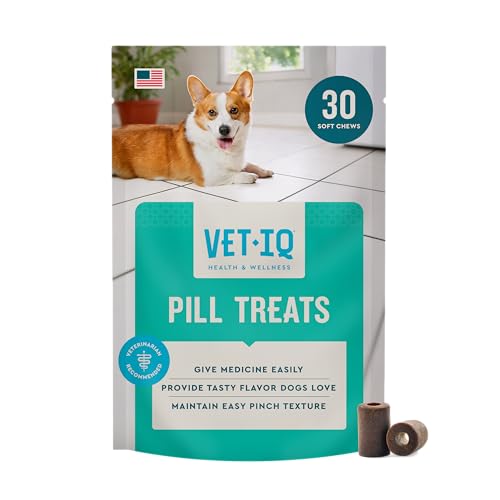
The soft, sticky texture of cottage cheese makes it an effective vehicle for hiding tablets — similar to the way peanut butter or soft cheese is used. A small amount of cottage cheese wrapped around a tablet is accepted readily by most dogs.
For pill-hiding purposes, the amount involved is negligible — just enough to conceal the tablet. This is appropriate even for dogs who should otherwise limit dairy intake, as the quantity is so small that neither lactose nor sodium is a meaningful concern. The practical benefit of successfully medicating your dog outweighs the negligible risk of a teaspoon of cottage cheese.
However — see the tetracycline warning above. If the medication your dog is taking is a calcium-binding antibiotic, do not use dairy as a pill vehicle.


Cottage Cheese vs Greek Yogurt — Which Is Better for Dogs?
This is the natural comparison given our Can Dogs Eat Yogurt? and Can Dogs Eat Greek Yogurt? guides. Both are appropriate for dogs in small amounts. Here’s how they compare:
Protein: Greek yogurt — significantly higher protein per gram than cottage cheese due to the straining process Lactose: Greek yogurt is lower in lactose than cottage cheese, making it marginally better tolerated by lactose-sensitive dogs Probiotics: Greek yogurt typically contains a broader range of live cultures than cottage cheese — better probiotic benefit Fat: Comparable in low-fat forms Texture: Cottage cheese has a chunkier texture some dogs prefer; Greek yogurt is smoother Practical use: Both work equally well as pill vehicles, food toppers, and Kong fillings
Both are good choices. For dogs with moderate lactose sensitivity, Greek yogurt’s lower lactose makes it the safer default. For dogs who prefer the texture of cottage cheese, low-fat plain cottage cheese is equally appropriate. Many dog owners rotate both for variety.
See our Can Dogs Eat Cheese? guide for the full dairy framework.
How Much Cottage Cheese Can a Dog Have?
Dogster’s vet-verified guidance is the clearest benchmark: 1 to 2 tablespoons at a time, depending on the size of your dog, as this minimises the risk of gastrointestinal distress.
Practical guide:
- Small dogs (under 10kg) — 1 teaspoon, a few times a week
- Medium dogs (10–25kg) — 1 tablespoon, a few times a week
- Large dogs (over 25kg) — 1 to 2 tablespoons, a few times a week
The 10% daily calorie guideline applies. Cottage cheese should not be given daily — a few times per week as an occasional treat or food supplement is appropriate. Start with the smaller amount when introducing for the first time.
Who Should Avoid Cottage Cheese
Dial A Vet provides the clearest exclusion list:
- Dogs with confirmed lactose intolerance or dairy allergy
- Dogs prone to pancreatitis or with a history of digestive issues
- Dogs on sodium-restricted or low-fat prescription diets
- Overweight dogs on calorie-controlled plans
- Dogs currently taking tetracycline or calcium-binding antibiotics
For all other healthy adult dogs without these conditions, small amounts of plain low-fat cottage cheese given occasionally are entirely appropriate.
Can Puppies Have Cottage Cheese?
Dial A Vet confirms puppies can eat cottage cheese in small amounts as long as they are not lactose intolerant. Start with a half teaspoon and monitor carefully for any digestive reaction before increasing. Puppies produce more lactase than adult dogs and generally tolerate dairy better — but individual sensitivity still varies. Plain, low-fat only.
Can Senior Dogs Have Cottage Cheese?
Yes — the soft texture is particularly practical for older dogs with dental issues or those who find firmer foods difficult. The protein content supports muscle mass maintenance in senior dogs prone to sarcopenia. Senior dogs with kidney disease or heart disease should have cottage cheese cleared with their vet given the sodium and phosphorus content.
How to Serve Cottage Cheese to Your Dog
Plain from the tub — measure the appropriate portion, serve at room temperature. Most dogs take to cottage cheese immediately given its mild, appealing flavour.
As a food topper — a tablespoon stirred into regular kibble or wet food adds protein, probiotic content, and palatability. Particularly useful for reluctant eaters or dogs recovering from illness who need appetite encouragement.
As a Kong filling — cottage cheese mixed with plain pumpkin puree or mashed banana, stuffed into a Kong and frozen, makes an excellent enrichment treat.
As a pill vehicle — a small amount wrapped around a tablet. Check no calcium-binding antibiotics are being taken.
During digestive recovery — mixed with plain boiled chicken and plain cooked rice as part of a gentle bland diet.
The Bottom Line
Cottage cheese is safe and nutritionally worthwhile for most healthy adult dogs in appropriate small amounts — confirmed by Dogster’s vet-verified content, Dial A Vet, the ASPCA, and the AKC. Its lower lactose, lower fat profile compared to most cheeses makes it one of the more dog-appropriate dairy options available.
Plain, low-fat, low-sodium, plain-only — those are the consistent requirements. Start with a small amount, monitor for lactose intolerance signs, check there are no medication interactions, and keep within the 10% daily calorie guideline. Do all of those things and cottage cheese is a genuinely useful and enjoyable addition to a dog’s occasional treat rotation.
Frequently Asked Questions
Can dogs have cottage cheese? Yes — plain, low-fat cottage cheese in small amounts is safe for most healthy adult dogs. Dogster, Dial A Vet, the ASPCA, and the AKC all confirm this.
Is cottage cheese better than other cheeses for dogs? Yes — cottage cheese is lower in fat and lactose than most hard cheeses, making it one of the more appropriate dairy options for dogs.
How much cottage cheese can a dog have? 1 teaspoon for small dogs, 1 tablespoon for medium dogs, 1-2 tablespoons for large dogs — a few times per week. Dogster’s 1-2 tablespoon guideline is the clearest benchmark.
Can dogs eat cottage cheese if they are lactose intolerant? No — stop dairy immediately if any signs of lactose intolerance (gas, loose stools, vomiting) develop after cottage cheese. Consult your vet.
Can cottage cheese help a dog with an upset stomach? Plain cottage cheese mixed with boiled chicken and plain rice can be appropriate as part of a short-term bland diet for mild digestive upset. Contact your vet if digestive issues persist beyond 48 hours.
Is cottage cheese safe for dogs on antibiotics? Not if the antibiotic is tetracycline or another calcium-binding type. Dairy calcium reduces antibiotic absorption. Always check with your vet before giving cottage cheese to a dog on medication.
Sources:
- Dogster (vet-verified, October 2025) — cottage cheese can be a healthy addition to a dog’s diet but only occasionally; lower in fat than many other cheeses; 1-2 tablespoons at a time; plain only; if dog experiences stomach upset they are likely intolerant of lactose and should not have any dairy (dogster.com): https://www.dogster.com/dog-nutrition/can-dogs-eat-cottage-cheese
- Dial A Vet (vet-approved guide) — dogs can eat cottage cheese in moderation and it is generally considered safe; low-fat or non-fat varieties are usually safest; avoid if dog has confirmed lactose intolerance, pancreatitis history, or is on a low-sodium or low-fat diet; puppies can eat cottage cheese in small amounts (dialavet.com): https://www.dialavet.com/blog/can-dogs-eat-cottage-cheese
- ASPCA Animal Poison Control Center — a small amount of cottage cheese can be safely added to a dog’s regular diet; should not constitute more than 10% of daily diet (aspca.org, cited via betterpet.com)
- American Kennel Club — cottage cheese is one of the safer cheese options for dogs; lower in lactose; safer than blue cheese or high-fat varieties (akc.org): https://www.akc.org/expert-advice/nutrition/can-dogs-eat-cheese/
- Cornell University College of Veterinary Medicine — pancreatitis is one of the most common gastrointestinal emergencies in dogs; high-fat dietary exposure including full-fat dairy is a primary cause (vet.cornell.edu)
For the complete dairy and cheese framework including all cheese types and the blue cheese warning, see our Can Dogs Eat Cheese? guide. For the yogurt comparison, see our Can Dogs Eat Yogurt? and Can Dogs Eat Greek Yogurt? articles — or browse the full Can Dogs Eat series for more guides on safe and unsafe foods for dogs.